Freedom within Structure

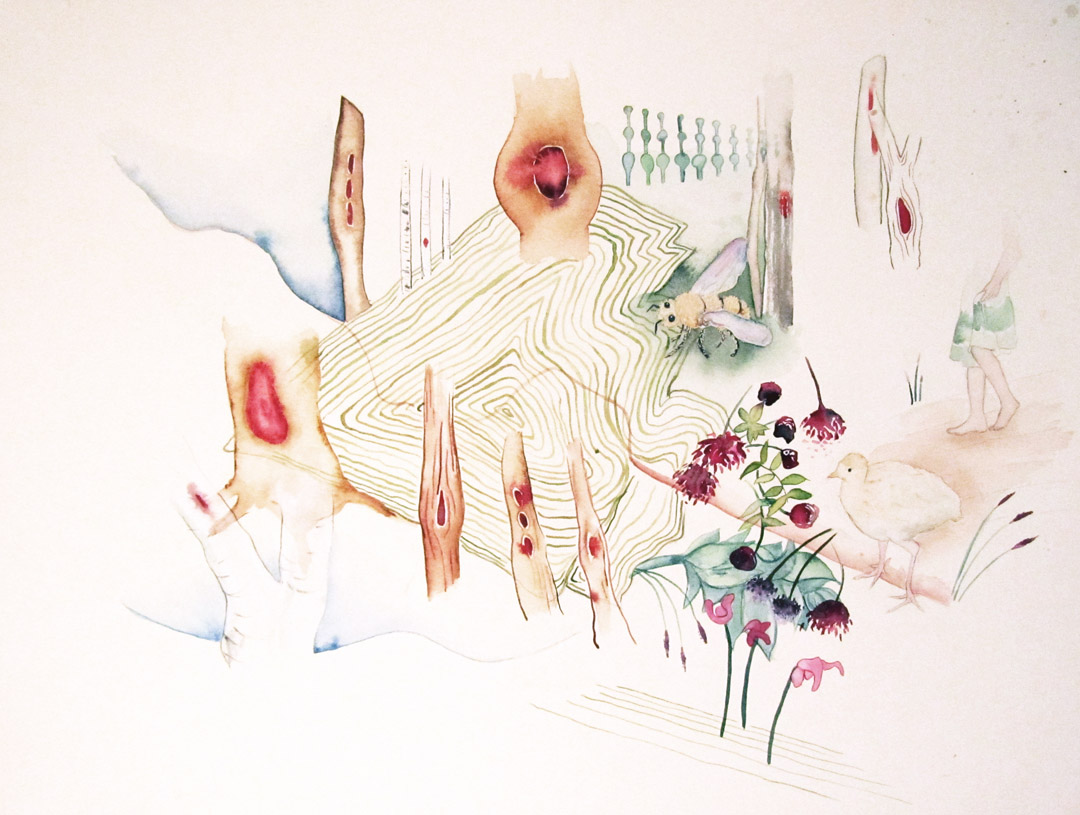
It’s harvest time! After a summer of running farms, blogging, and drawing, the first body of work has been installed at the Maine Farmland Trust Gallery in Belfast, Maine. A year ago, when I was first invited to participate in the exhibit, I chafed a bit at the idea of completing didactic artwork on soil health or crop rotation, and I imagined creating a few small pieces to lend my voice to the issue of sustainable, healthy farming, after which I would quickly shift back to my other work. Instead, I find myself, a year later, with a transformed art practice and an ongoing project of running and drawing. Through this creative collaboration with the Maine Farmland Trust, I’ve discovered a new method of working. It has to do with the freedom of exploration that can occur within structure and the deeply satisfying artistic process that can emerge out of this context.  In the case of the farm running and drawing project, it begins with dialogue–discussing the land and farm boundaries with the caretakers of the land, the farmers. It then involves a tactile, embodied experience–running the land. The run is followed with a writing process, during which the narrative and conceptual issues emerge (in this blog). Next, I sketch–creating piles of visual notes and experiments. Finally, the experience is condensed into a finished drawing. Three examples are included below, from my experiences at Broadturn Farm, Lakeside Orchards, and Tide Mill Farm. These drawings are part of the current exhibit, and pieces based on Johnny’s Selected Seeds, Mitchell Ledge Farm, and Old Crow Ranch are in process.

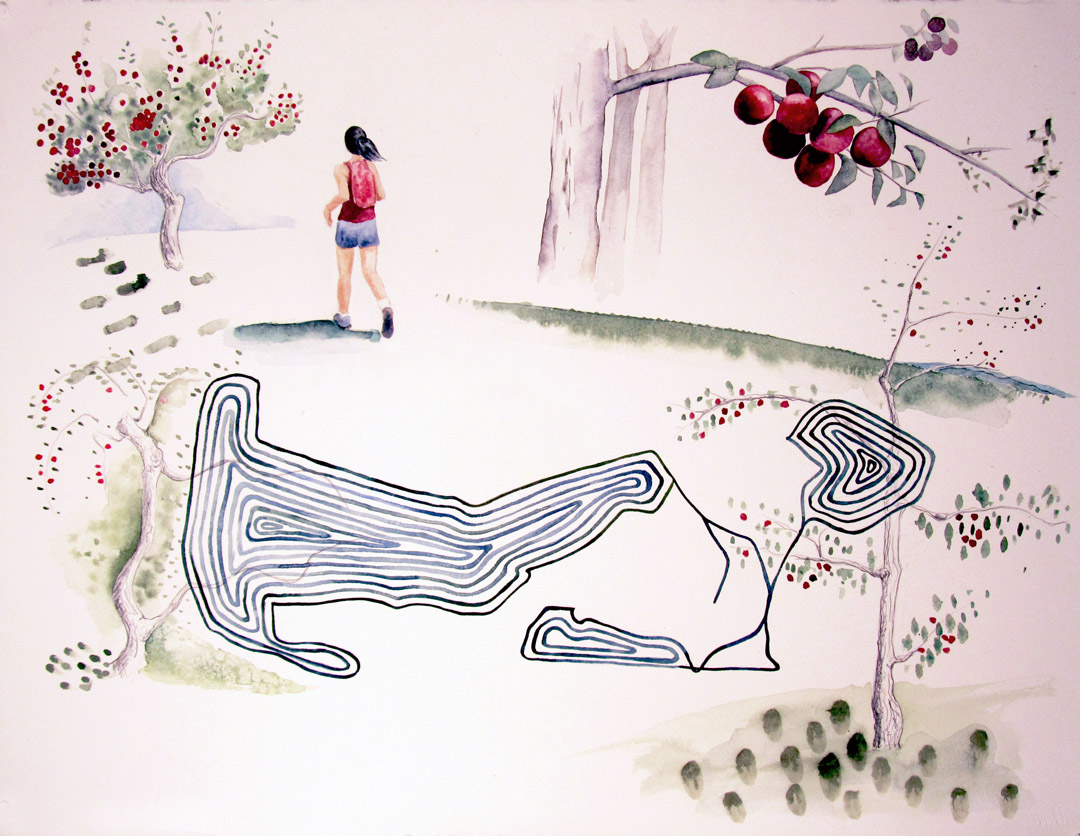
Boundary: Lakeside Orchards, graphite pencil, watercolor and gouache on paper, 22" x 30"

Boundary: Lakeside Orchards, graphite pencil, watercolor and gouache on paper, 22″ x 30″

Boundary: Tide Mill, graphite, watercolor, and gouache on paper, 22" x 30"

Boundary: Tide Mill, graphite, watercolor, and gouache on paper, 22″ x 30″

Boundary: Broadturn Farm, graphite, watercolor, and gouache on paper, 22" x 30"

Boundary: Broadturn Farm, graphite, watercolor, and gouache on paper, 22″ x 30″

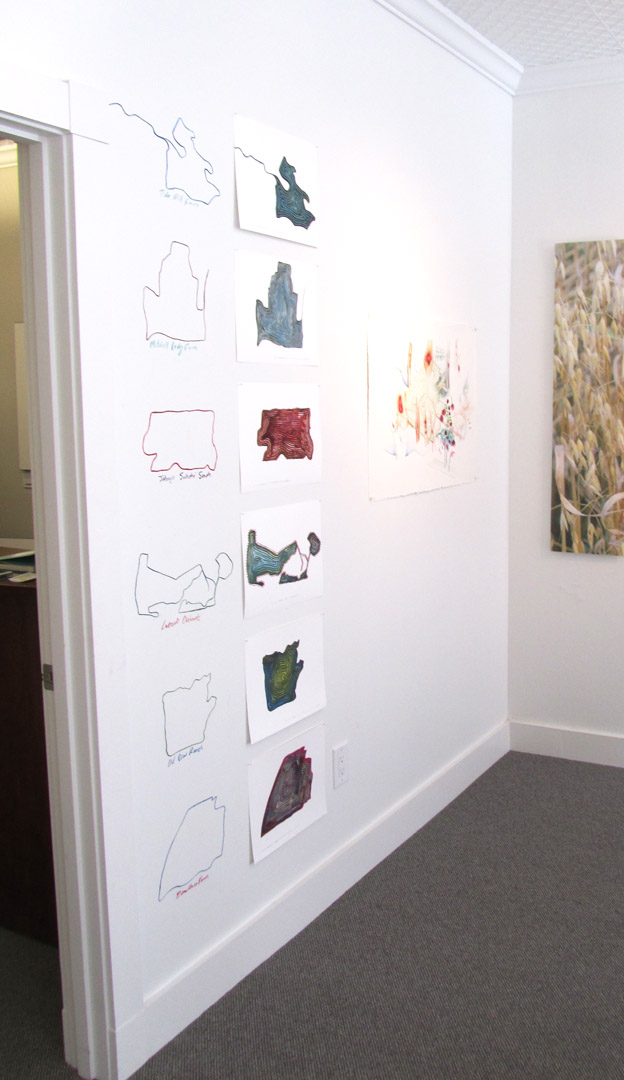
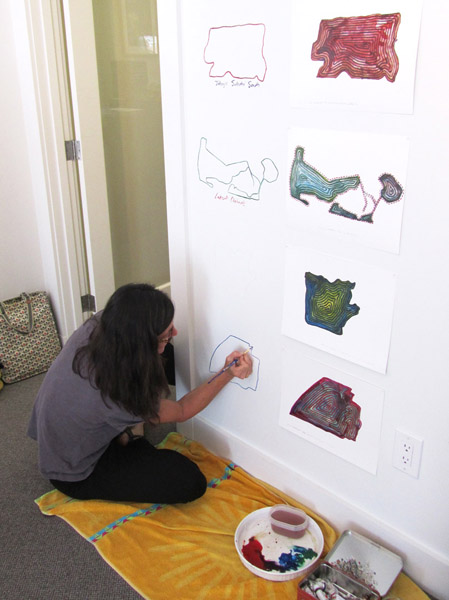
The current exhibit also includes 6 Perimeter drawings in graphite and watercolor on Yuppo–one for each of the farm experiences. Each drawing is echoed with a wall drawing in watercolor.

Wall Drawing and Perimeter Paintings on Yuppo

Wall Drawing and Perimeter Paintings on Yuppo

Gallery Installation, The Maine Farmland Trust

Gallery Installation, The Maine Farmland Trust


Tonight’s opening is a celebratory bookmark in the project. I’m grateful for the door that’s opened, leading me toward my future work. This week, I’ve begun contacting farmers, with the aim of running 6 more farms this fall. I’m ready for the awkward beginning of each new conversation, the unexpected adventure of each new run, and the richly satisfying process of condensation as the experience slowly transforms into art.

Posted in Art, Farmland, Running, Uncategorized | Tagged , , , , | 7 Comments

Bound to the Bee

BrightOrganicApples

I’ve grown accustomed to a moment of awkward silence each time I call a new farmer about my project. I imagine him/her weighing the options: hightail it off the phone or take a few minutes to listen to the artist who wants to run around the edges of the farm. I try to get right to the point–both to let the farmers know I respect their time and in order to remain open to the shape and meaning of the experience to come. An abundance of description can limit the possibilities.

After getting permission to run Lakeside Orchards in an email conversation with Doug, I called the farm and spoke with Sarah, who works at the stand. She explained that the 50-acre farm is divided into organic and non-organic orchards, that the orchards are divided by a road, and that there are tractor trails that make the terrain easy to navigate. I packed for an short, easy run.

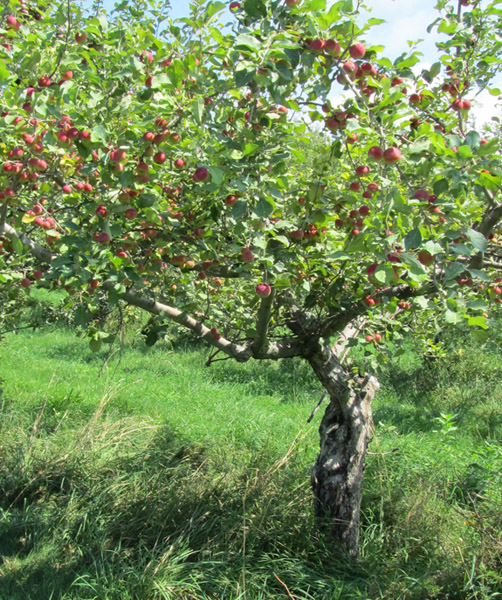
I arrived at Lakeside Orchards in the late morning and found it to be warm, welcoming, and buzzing with farmers, gardeners, bakers, and shoppers. After a few minutes of asking around, I found Doug, who, in addition to managing the retail store, oversees the farm’s web presence and communications. We speed-walked toward his van, chatting about the farm and my project. It turns out that Doug used to be a runner, and he currently organizes a 5k race as part of the Manchester Apple Festival. With the lure of apples and pies as awards, I’m heading back with a car full of friends to take part in the race and festivities on September 28th.

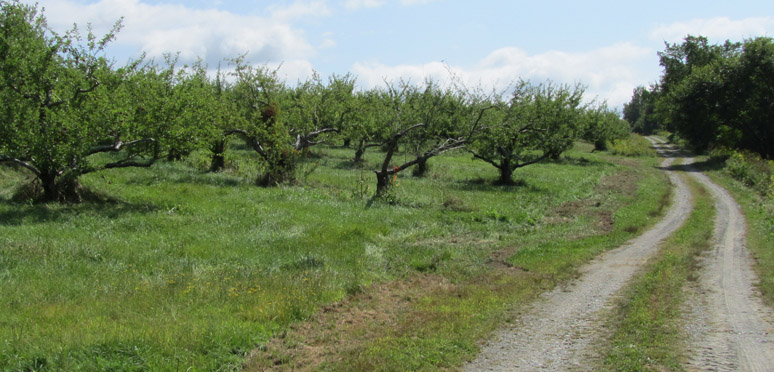
Thefirstpath We hopped in Doug’s van for a speedy tour of the property.  He pointed up rolling hills that culminate in the first orchard, and then we zipped through a small valley to the gate of the second. As we pulled around to head back to the barn, I asked whether it was hard to work the organic and non-organic fields on the same land, in terms of pollination. “Not at all!” Doug replied, “We just keep bees in each area and they do their thing!”

Bees have been persistently showing up on my farm runs and in my subsequent drawings. Our food supply depends heavily on insects like the bee, and these insect populations have been declining, most likely due to irresponsible use of pesticides. Elizabeth Grossman points out, in her article “Declining Bee Populations Pose a Threat to Global Agriculture” that over the last 10 years, there’s been a 30% decline in the bee population. She goes on to make clear why this matters:  “one of every three bites of food eaten worldwide depends on pollinators, especially bees, for a successful harvest.”  I’ve become hyper-aware of bees as I run, realizing how essential they are to a healthy human future. We’re bound to the bee, and I find that to be humbling in a deeply satisfying way.

OrganicApplesAbundance

Back at the farm, as I prepared for my run, I was fortunate to meet Marilyn Meyerhans, who has owned the farm with her partner, Steve, for over 2 decades. I offered my thanks to Marilyn for being receptive to my odd project, and she replied, “Yup, I thought you’d be a wacko, but clearly you’re not.”

“Maybe not a wacko, but I am a Professor,” I countered.

Marilyn chuckled, offering, “Well, that’s the same thing.”

I laughed, knowing the truth in it and decided it was time to run. I’d left my Garmin charger in Canada, so I set up my Endomondo app for tracking and mapping the run on my iphone. Generating a map with each run is key to my project. It creates a shape based on my movement over the land, and that shape opens the door for each of my drawings.

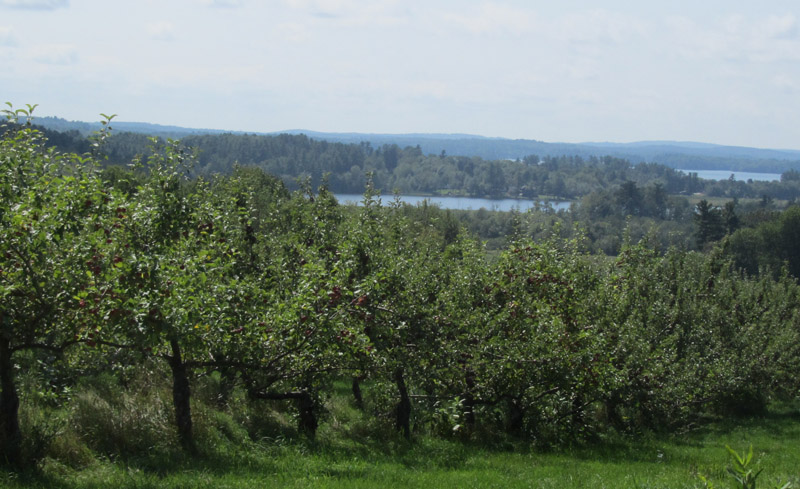
I began the Lakeside run by heading up a dirt road to the organic orchard. At the peak, I was able to scan a landscape of ponds, lakes, and distant mountains stretching back to the horizon.

TheLake

I ran the perimeter of the orchard and then back down into the valley and up the other side to the second orchard. I anticipated another small hilly rectangle, but the second orchard made for a much longer run around a series of connected orchards.

Orchard2HILL

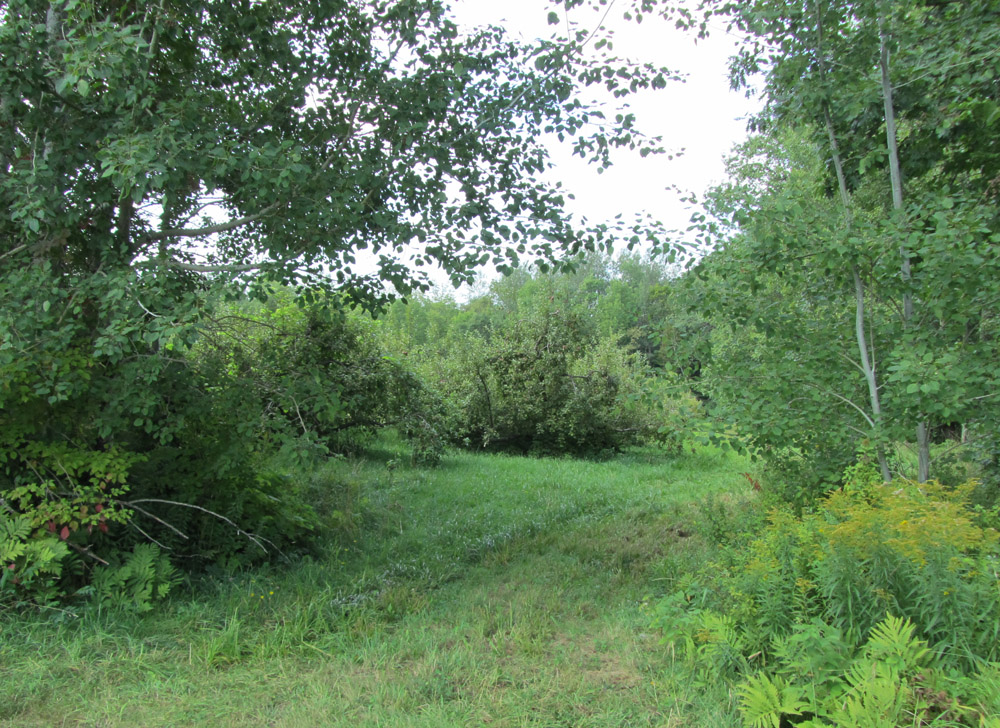
Orchard2SecretOrchardAt the top of the first long, gradual climb, I noticed what appeared to be an older plot behind a row of trees. As I dipped down into the orchard to scoot around its border, I startled groundhog, clearly at home in this quiet corner of the farm.

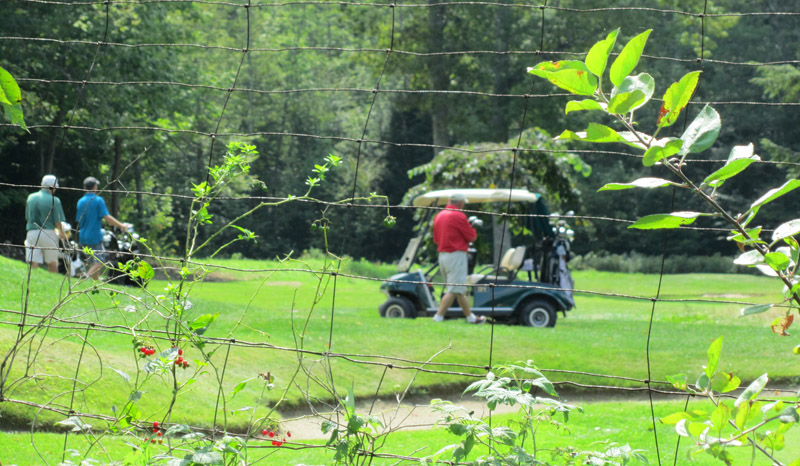
As I re-entered the main orchard, I was surprised to hear voices. Looking through  a deer fence, I discovered golfers and what looked to be a large golf course abutting the far end of the property.

Orchard2Golf2

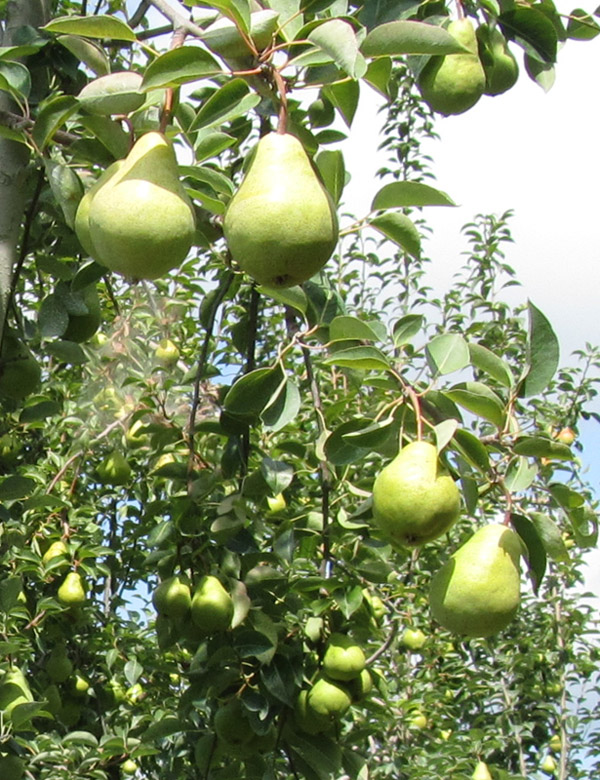
I continued, bushwhacking through long grass around the farm’s perimeter and was momentarily disoriented when I came around a corner to discover abundant pear trees.

Orchard2Pears2

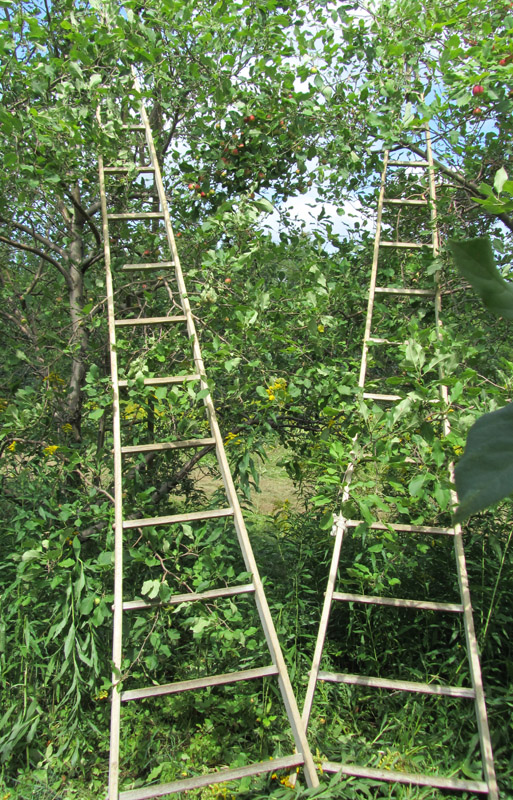
Other than spotting one farmer bent over a garden near the start of my run, the orchards were empty; however, when I’d almost traveled the circumference of the second plot, I saw evidence of work underway in the form of twin ladders.

Orchard2Pickingladders

I concluded my run with a small third orchard that sits near the main road. Doug had described it as, “more for public relations than for produce,” and it does offer just a hint at the majestic orchards that rise behind the farm.

I returned from the run hot, sweaty, and elated. I was also ready to do a little shopping at the stand. In addition to abundant apples, the store (more store than stand) sells organic meat, cheese, candle tapers, doughnuts, cakes, and a selection of Maine-made beer. I chatted with the staff while I poked around, filling my basket. One of the bakers, Paula, asked if I’d seen anyone picking during my run, explaining that they were training new staff. I asked if that was due to college kids heading back to school. “Nope,” she replied, “the Jamaicans are coming in and the Hondurans are leaving. We’re like the United Nations here!” After a few more minutes of chatting with other shoppers and staff, I left with a bag overflowing with apples, cheese, and beer, pleased to know I’d be back at the end of the month.

As I drove away, I smiled, teary with the realization that I was experiencing a rich kind of integration–that running and art-making had become symbiotic–each adding depth to the other without taking anything away. As an artist, I’d found a new way of working–a method that felt true and right.

Posted in Art, Farmland, Running, Uncategorized | Tagged , , , , , , | 4 Comments

Bright Lights

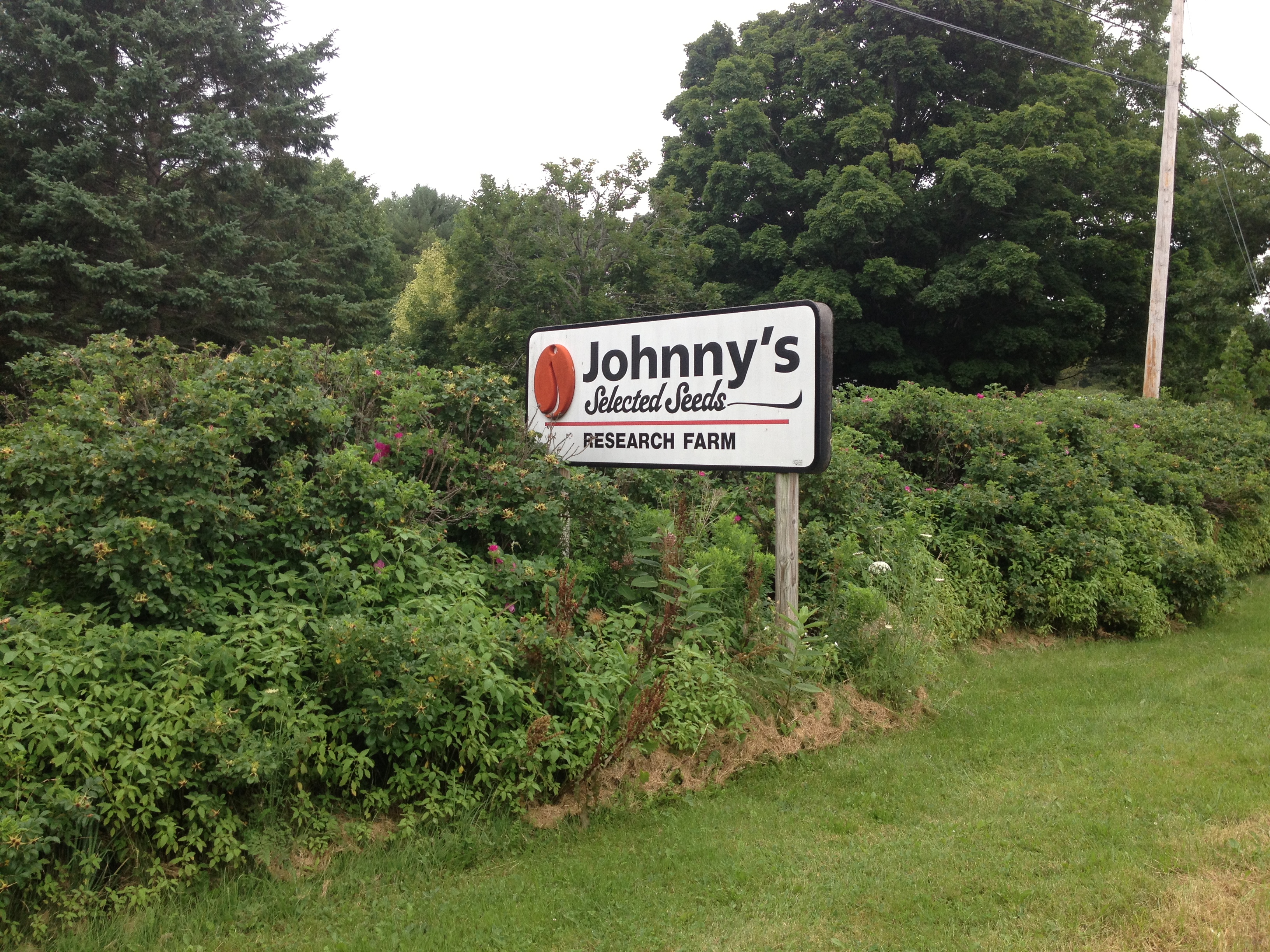
ResearchFarm

The night before my journey to Johnny’s Selected Seeds, in Albion, Maine, I printed maps and read up on the history of the business.  Though I’ve been a fan of their seeds for years, I didn’t know much about the genesis of the company.  Perusing the website, I  learned that Founder and Chairman, Rob Johnston, started the company at age 22, with $500 of savings, from a farmhouse attic. The company now distributes over 600, 000 information-packed catalogues a year and takes in $15 million in sales annually.

On the drive up to Albion from Bath, I was listening to NPR’s Maine Calling, which was hosting a QnA with Maine Representative Chellie Pingree. Coincidentally, the first caller was a man whose wife works at Johnny’s Selected Seeds. The caller asked how the Farm Bill, currently being debated in Congress, would affect his family. Pingree talked passionately about farming in Maine and advocated for taking corn and soybean subsidies out of the bill so that it would benefit smaller farms. Since the bill only comes to the floor every 5 years, she expressed dismay about the inability of politicians to collaborate on this important issue and come to a successful resolution. I was grateful for the timing of the program, as I headed for the farm visit newly aware of the complex relationship between food, big business, and politics in America and newly grateful for the success of a business like Johnny’s Selected Seeds.

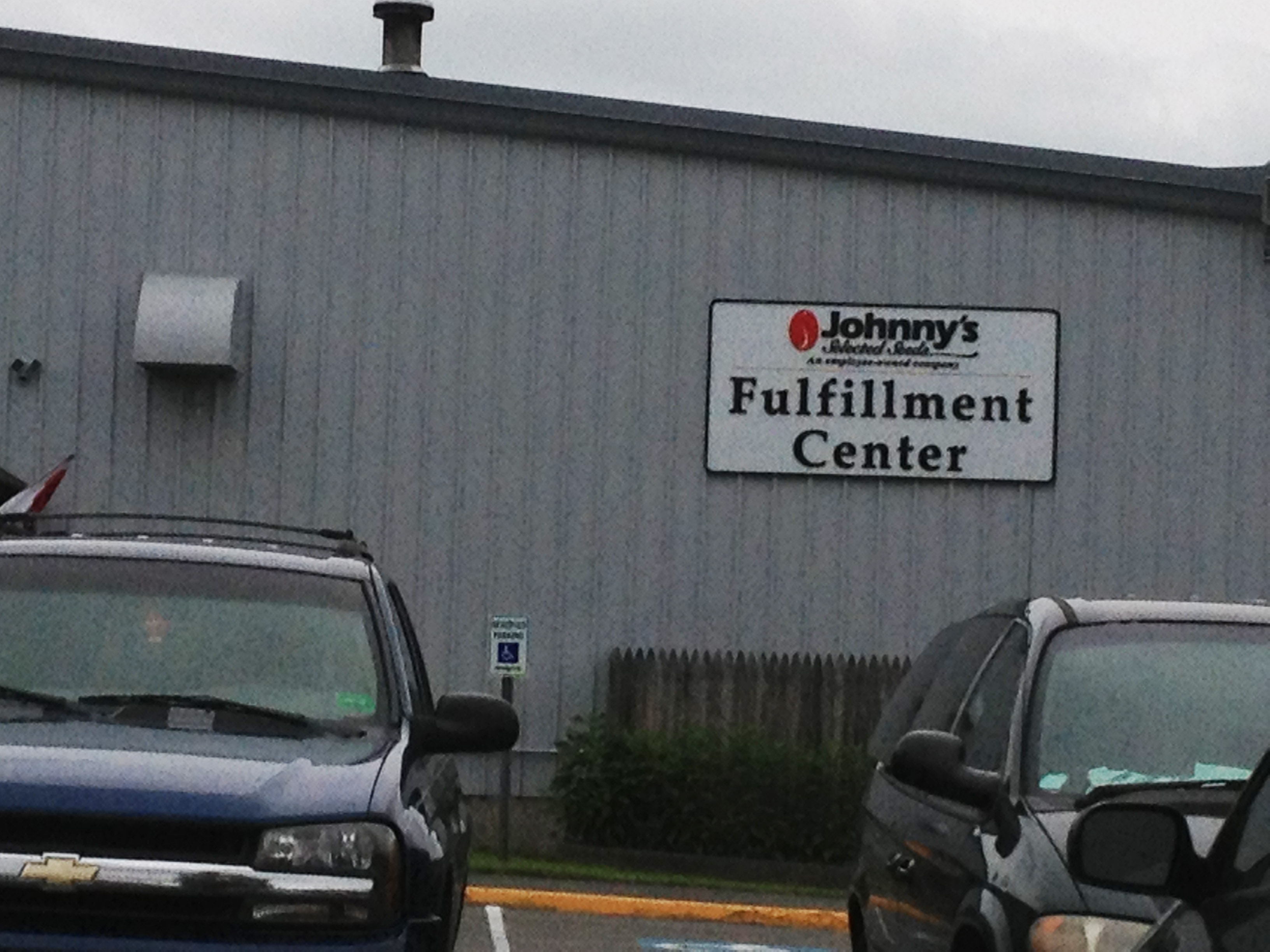
In spite a stack of maps and notes, I initially drove to the wrong location, arriving at the Fulfillment Center instead of the farm.  Though I love the fact there’s a place called The Fulfillment Center, it wasn’t the pastoral vision I’d anticipated. Fulfillment Center

I redirected to Foss Hill Road and found what I later learned is the Home Farm of Johnny’s Selected Seeds. As with the other farms I’d visited, Johnny’s is spread out over many different locations for crops, research, business, and communications.

Each of my farm runs begins with an abundance of dialogue and ends with a series of drawings; the actual farm visits are just a small part of the project. Because of the scale of the operation at Johnny’s Selected Seeds, and related concerns about my safety, it took some extra communication to put the plan in place; however, when I arrived in Albion, I found a small, hard-working operation, and a got a warm and surprising reception.

As I pulled into a small parking lot, I noticed a few people studying paperwork at a picnic table, and beyond the tall deer fence, I could see figures bent over fields that stretched into the distance. I hovered awkwardly for a few minutes, unsure of where to go. The main door appeared to be locked and I didn’t want to start running without connecting with someone first. As I approached the door to the small office building, I intercepted a  woman on her way out and asked if she’d heard of my project. She hadn’t, but offered to take me inside to find a manager. We walked down a cool, dim hallway, and after searching for a few minutes, she said, “Well, Rob’s here, why don’t we go talk to him.” My stomach did a little flip; I was thrilled! After introducing myself to Rob, I shared a bit about what I hoped to accomplish by running around his property, and about my intention to include a range of farms, in terms of scale, location, and production. Rob generously offered to give me a quick tour of the farm and to send me running in the right direction.  After describing how the farm extends to multiple plots on different sites, he pointed to the the forest beyond the fields, which is also part of the property. He didn’t recommend running it, however, thinking it would be a formality. In this case, that felt right to me too. Each run has inspired something different in terms of my allegiance to the actual property lines. In the case of Johnny’s Selected Seeds, it seemed most appropriate to use the border that was so clearly presented to me–to run the edge of the deer fence.

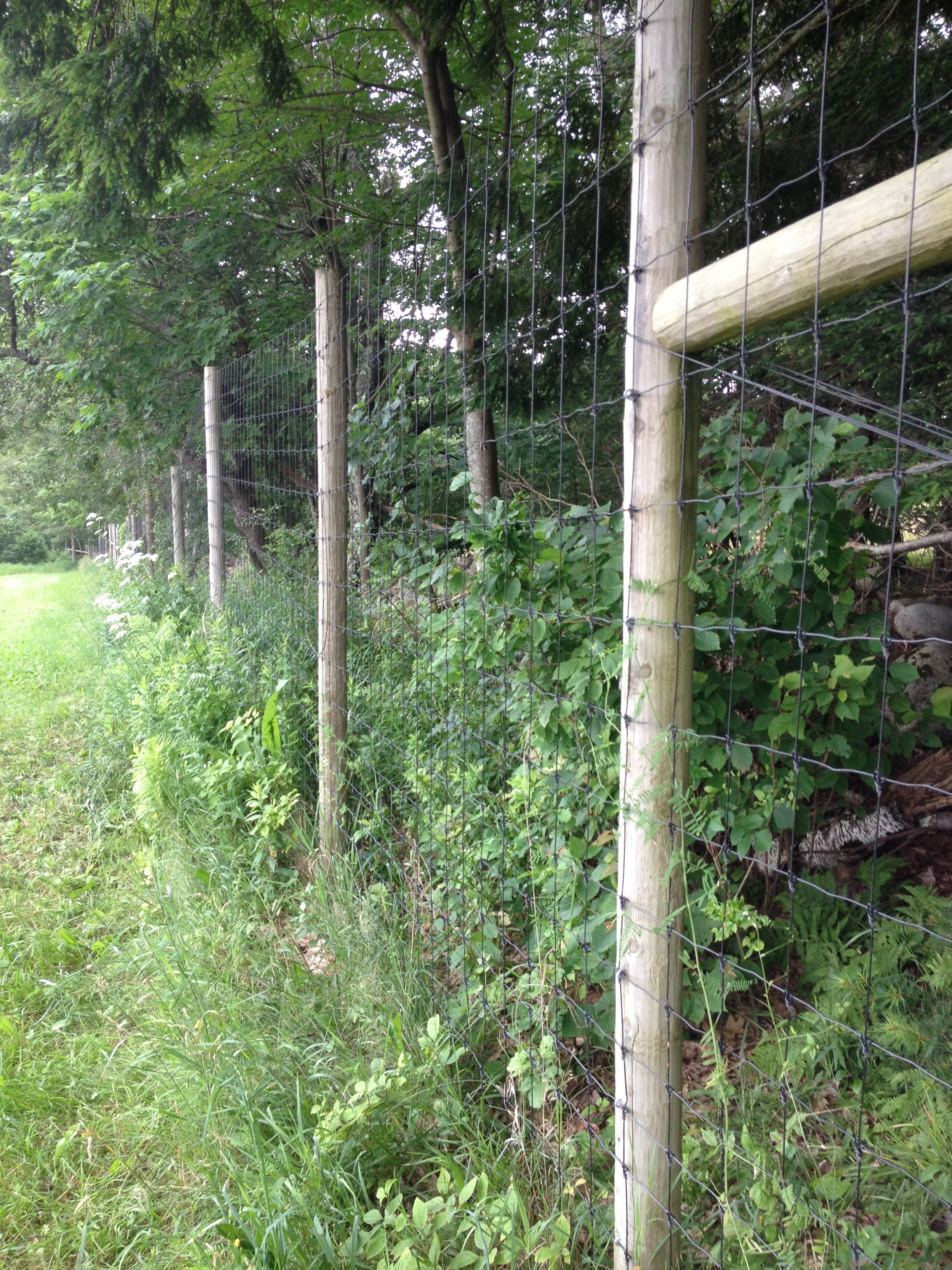
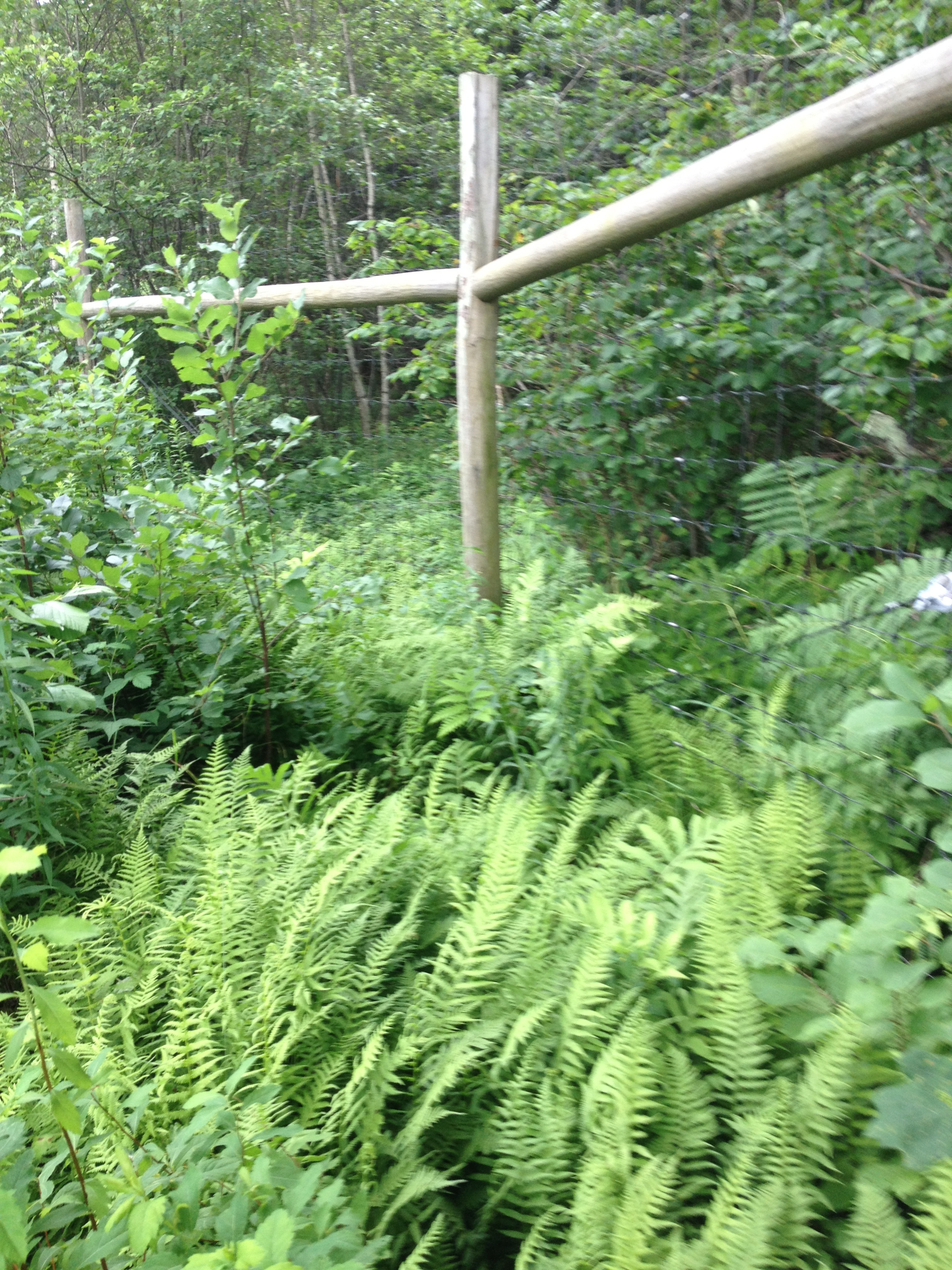
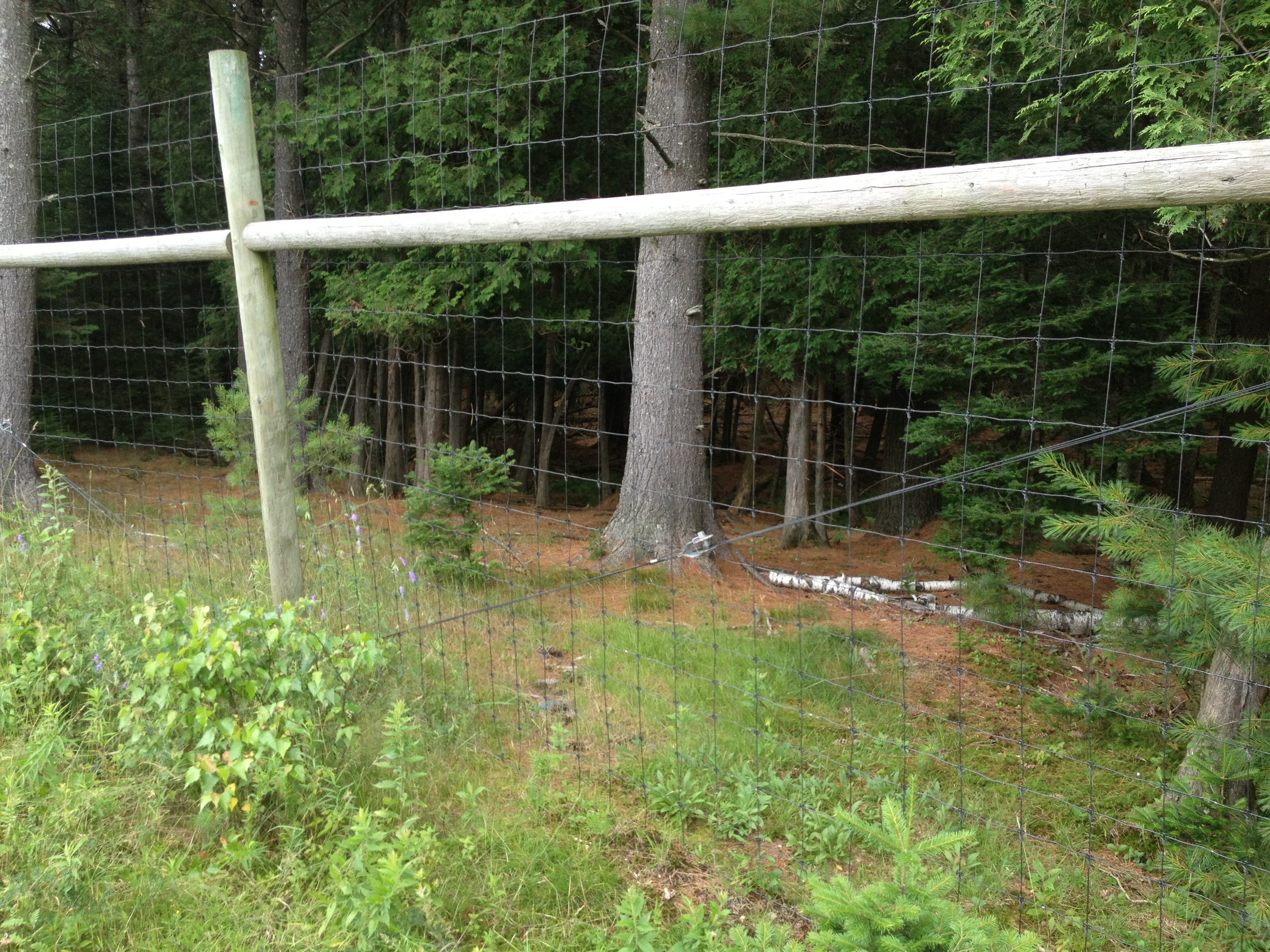
Fence

FenceOnRoute

FenceOnRoute2

FenceOnRoute3


Most of my runs have been fairly solitary and there has been the persistent possibility of getting lost. In this case, the run was a mile long, wrapped around a rectangle, and young farmers were planting, weeding, and watering throughout. Several times, I surprised someone lost in thought, hands in the dirt. With a smile, I’d shout, “I’m running the farm!”  They responded with friendly chuckles, waves, and “Have fun!”

RocksField

Bees


Though the run was short, it wasn’t without dangers. I kept a close eye out for rocks, compost heaps, burn holes, machine parts, and bees, and I had a swampy collision with stinging nettles. StingingNettlesThough they’re painful to touch, I’ve since learned that stinging nettles have a long history of medicinal use for joint pain, arthritis, eczema, hay fever, gout, and more! I was in the middle of them, up to my elbows, before I felt the sharp stings all over my arms and legs. I tried to tip-toe out, but the only option was to plow through, and I ended up with some uncomfortable hives for the rest of the day.  I’ll have to add stinging nettles to the list of things I didn’t anticipate being afraid of (see Bedrock Real for the first list!).

When I finished the run and returned to the parking lot, everyone seemed occupied, so I sipped some water and hit the road. I was grateful to have connected with the land and with Rob, and I was eager to get back to my own raised beds, where Johnny’s Seeds were taking root and transforming into two of my favorites: kale and Bright Lights chard!

Posted in Art, Farmland, Running, Uncategorized | Tagged , , , | 4 Comments

Salt in My Eyes

The Starting Line, photo Tonee Harbert

The Starting Line, photo Tonee Harbert

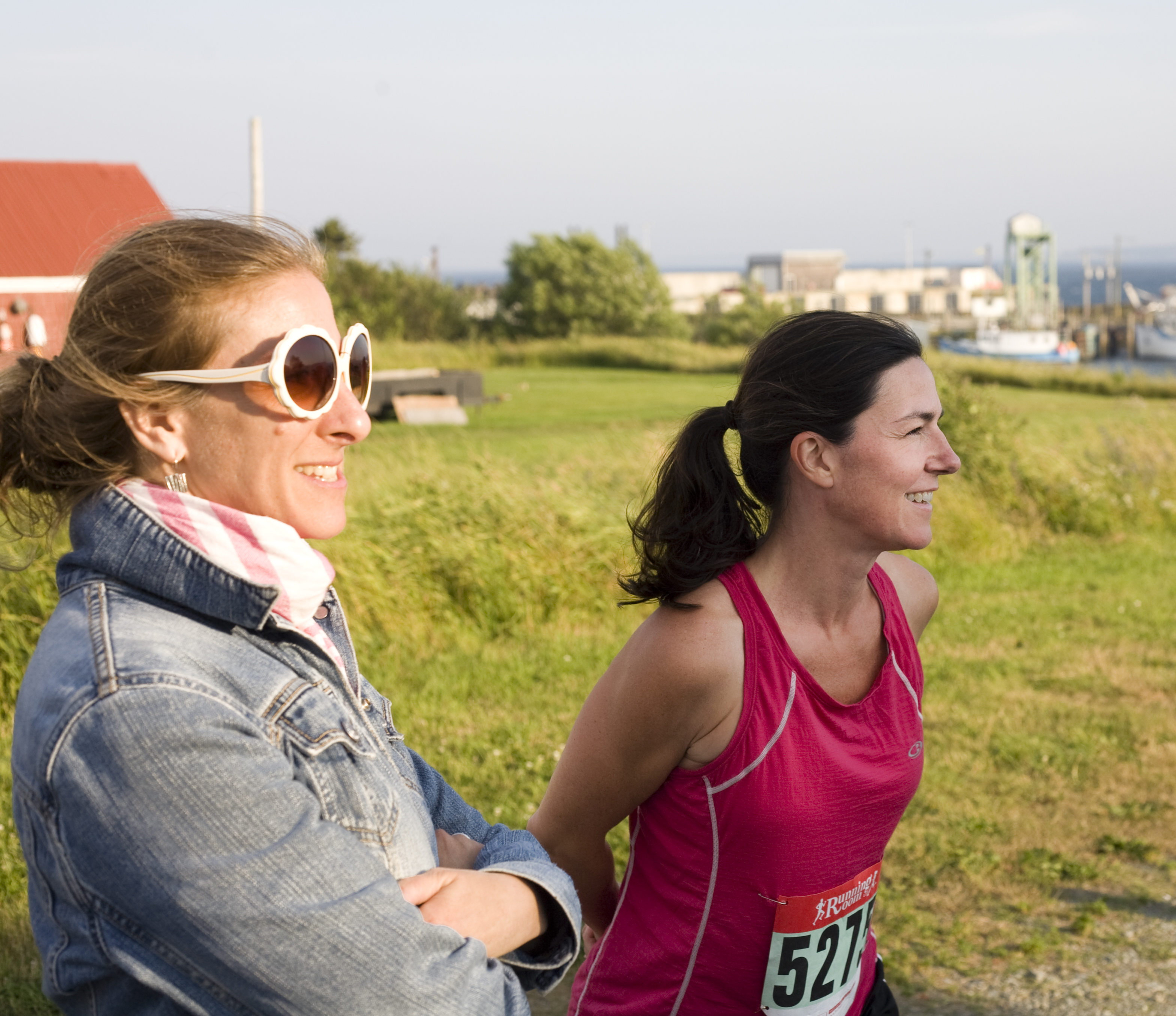
Two weeks ago I completed my first 13.1—the Grand Manan Boys and Girls Club 10K and Half Marathon. I traveled to the island with Shoshannah White and Tonee Harbert—fabulous photographer/artist friends from Portland. Shoshannah was on the island for a post-residency exhibition at the Grand Manan Art Gallery, and we were all grateful to escape daily routines and immerse ourselves in a few days of art and running.

GMI_Half_2

Waiting in the wind with Shoshannah

My grandmother Travilla bought a cottage on Grand Manan the 1950s, and the island–21 miles long, 11 miles wide, and sitting 22 miles from the mainland in the Bay of Fundy–never fails to feel like a retreat. Before European explorers “discovered” Grand Manan (beginning with the Norse), the island was used as a safe winter home for elderly Passamaquoddy, in addition to serving as a burial ground. Centuries later, the island became known for its fishing industry, particularly smoked herring and the practice of using weirs, which was adapted from Native American fishing practices. The process and history is described in a short article by the Gulf of Maine Research Institute: Seining Weirs and can also be seen in this vintage video from the 1970s: Whale Cove. Today, the island balances a quiet but growing tourist industry with the ongoing but unpredictable fishing business. This summer the herring are abundant, the weirs are being strung, and the island is buzzing with tales from the boats.

I’ve been spending time on Grand Manan since I was a child, and over the last several years, I’ve had some great road trips to the island with friends and family. Two years ago, I drove up with my sons, Link and Ray, to watch a friend run the quirky GMI half marathon. I’d just started running, had never taken part in a road race, and I watched with nervous excitement, remembering pre-race jitters from x-c skiing in high school. I never imagined that I’d run a race myself, much less a half marathon.

Two years later, on race day, I tried to pass the hours relaxing at the family cottage. The race was scheduled for 7:30 pm (P.M.!), so I did my best to stay cool and fresh throughout the day. I read, spent some time drawing, snacked, hydrated, and scanned the names of the people who’d signed up for the race. There were only a handful, but they included some accomplished distance runners. In the afternoon, looking for packet pick up, I ran into Brenda Guitard and Lois Zaat, who advised: “Don’t pay attention to time or pace goals; just have fun.” By race time, the temperature was moderate but the humidity was 94% and there was a strong headwind. These should have been cues to adjust my planned pace and to take the advice I’d been given! At the start, Guitard took off like a shot, leaning steeply into the wind. She eventually won the race in 1:35:11, seeming to easily machine through the 13.1 miles.

photo Shoshannah White

The race begins, photo Shoshannah White

Starting out, photo Tonee Harbert

Going out too hard, photo Tonee Harbert

My plan had been to enjoy the first 6 miles–to keep a steady pace and then pick it up for the second 6, but the excitement got to me and I just couldn’t rein it in. I went out way too hard, and after a few miles, I was overheated.

Heating Up, photo Tonee Harbert

Heating Up, photo Tonee Harbert

I could feel the hot flush on my face and the salt in my eyes, which usually means a race is going to require me to dig extra deep. This one took all I had. At around 9 miles, the conditions had improved, but my calves started cramping. I slowed down and relaxed my legs by shifting and lengthening my stride until the cramping subsided. For the final twilight stretch, I focused on putting one leg in front of the other without tripping, thinking only of the finish line one long mile away.

One mile to go, photo Shoshannah White

One mile to go, photo Shoshannah White

I finished 6th overall (out of 15) and 4th for the women, with a time of 1:54:46. I crossed the finish line with legs cramping and stomach churning. After pacing the parking lot, eating a banana, and hydrating with some Gatorade, I headed to Stanley’s Beach in North Head to soak my calves in the ice cold Bay of Fundy. Sho and Tonee had cooked a feast of burgers, potatoes, and salad, but when we got back to the cottage and sat down to celebrate, I managed only a few bites. My stomach wasn’t ready for nourishment. After a quick toast with Alexander Keith’s ales, I realized I was spent and would have to call it a night.

I woke up to a heat rash, sore throat, and stiff legs, but no real injuries. I’d trained well for my first long race and managed a decent time. I’d also made some key mistakes: going out too fast and not eating well the week before. Through the fall and winter I’ll be focusing on shorter races and building up my weekly miles. By next spring I’ll be ready to find another half marathon. I’ll be keeping my fingers crossed for cool, dry weather and the will to start nice and easy!

Posted in Half Marathon, Running, Uncategorized | Tagged , , , , | 3 Comments

Land Art

I’ve been thinking a lot bout Land Art during my farm running project–about pieces like Richard Long’s A Line Made by Walking, in which marks were made not with charcoal or pencil but with feet in the grass.

Richard Long, A Line Made by Walking, 1967

Richard Long, A Line Made by Walking, 1967

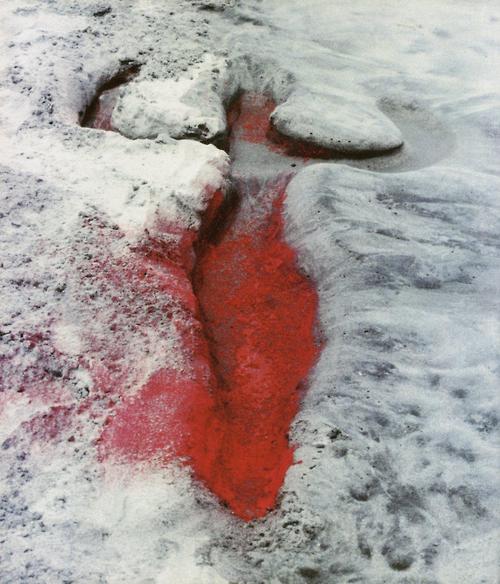
During my Broadturn Farm run, I began to think of the Cuban American artist, Ana Mendieta as well. I recalled Mendieta’s silhouettes, in which she marked the earth with her body and then transformed the marks with, in this example, red tempera paint, which was then washed away by the ocean tides.

Ana Mendieta Untitled, 1976

Ana Mendieta
Untitled, 1976

Though my final drawings will formally diverge from Land Art, these artists’ methods of working paved the way for me to be able to conceptualize farm running as art. I’m grateful for the art historical precedents as I search for ways to translate the visceral nature of farm running to the act of making marks on paper.

Posted in Art, Farmland, Running, Uncategorized | Tagged , , | 1 Comment

Red Blazes

Red Blazes 1

When I first spoke with Stacy Brenner, who runs Broadturn Farm with her partner, John Bliss, I asked about strategies for following the farm’s property lines during my run. “Oh, don’t worry. The boundaries are marked with red tape and blazes,” she replied. I took her word for it, though I’d gotten disoriented on every run so far. Broadturn is a 430 acre farm in Scarborough, Maine (100 acres of open fields, 330 of forest) that produces organic vegetables and cut flowers, in addition to hosting summer camps and weddings.

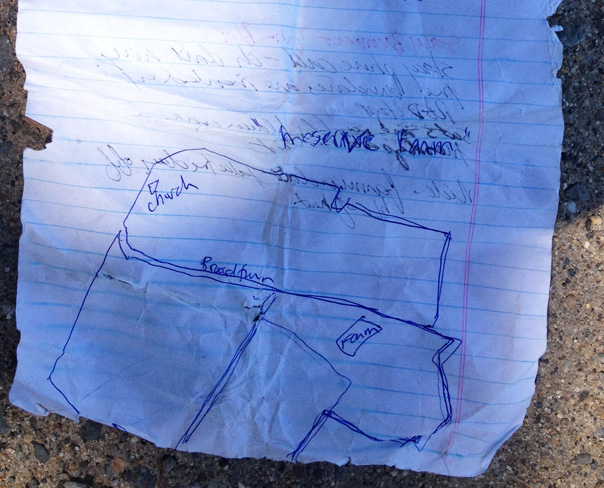
When I arrived for my run, I found Stacy and her crew in the farm stand quietly focused on cutting and assembling floral bouquets. Stacy took a short break to walk me over to the house so I could look at a mounted map of the property. Wanting some kind of a guide during my run, I scrawled a quick copy on scrap paper. Makeshift Map

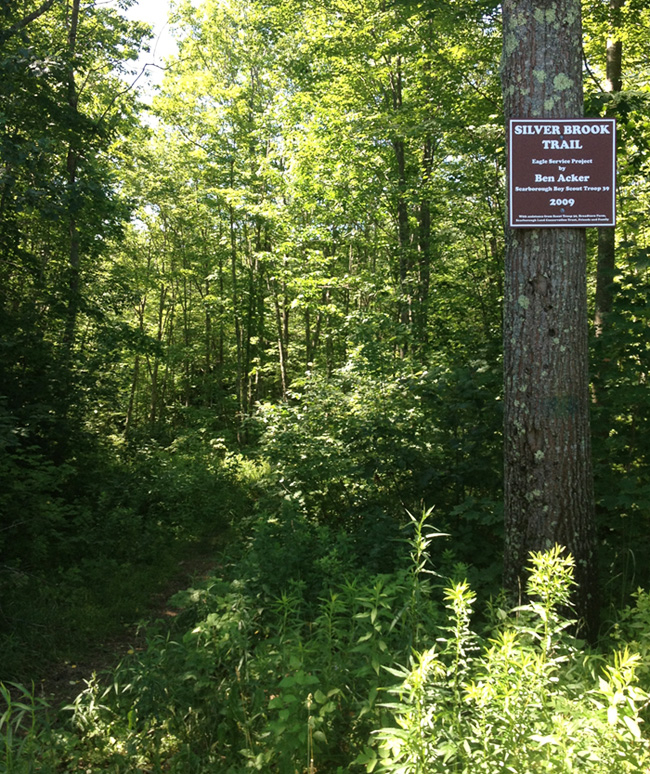
SilverBrookTrail

My run began with the Silver Brook Trail, which I found behind two surprisingly charming outhouses on the edge of the farm. For the first half mile, I wove through the woods by the brook, eventually finding the southwest edge of the property where I began to look for the red blazes that would lead me west.

Ferns

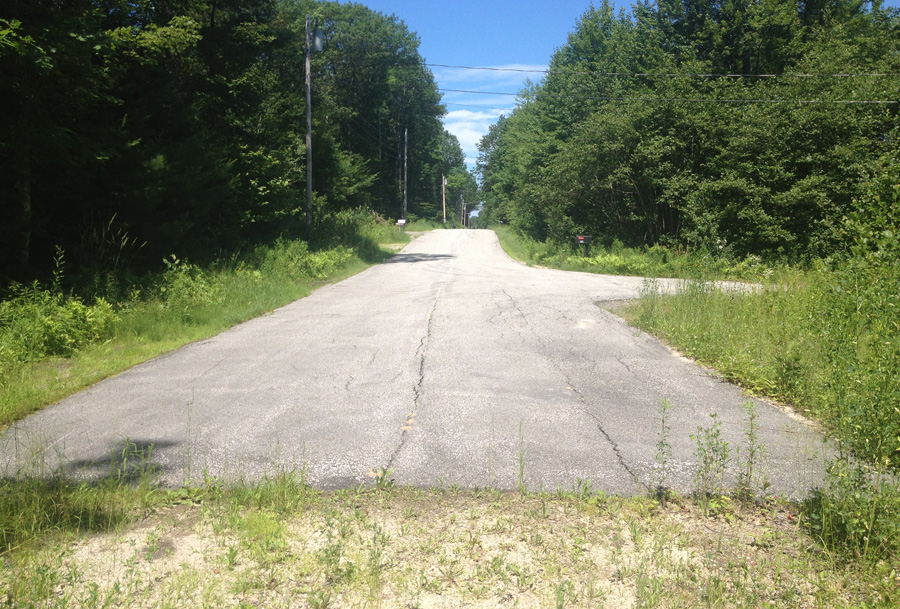
I trotted down a track lined with soft green ferns, until I spotted the back of a house. The Broadturn Farm jogs around a few private homes on the southern side, so I scooted around them and came out on a paved road. I quickly realized that Broadturn Farm abuts several other farms, and I wasn’t sure which fields matched those on my makeshift map. I began to run down the road in search of red blazes. There was a tractor working the field on the opposite side of the road, and I pondered the consequences of running onto someone else’s farmland by mistake. Deciding to risk it, I turned around, ran back by the tractor, and cut into the field next to a long dividing line of trees. Red blazes appeared halfway across the field–I was on the right track!

TheFarField

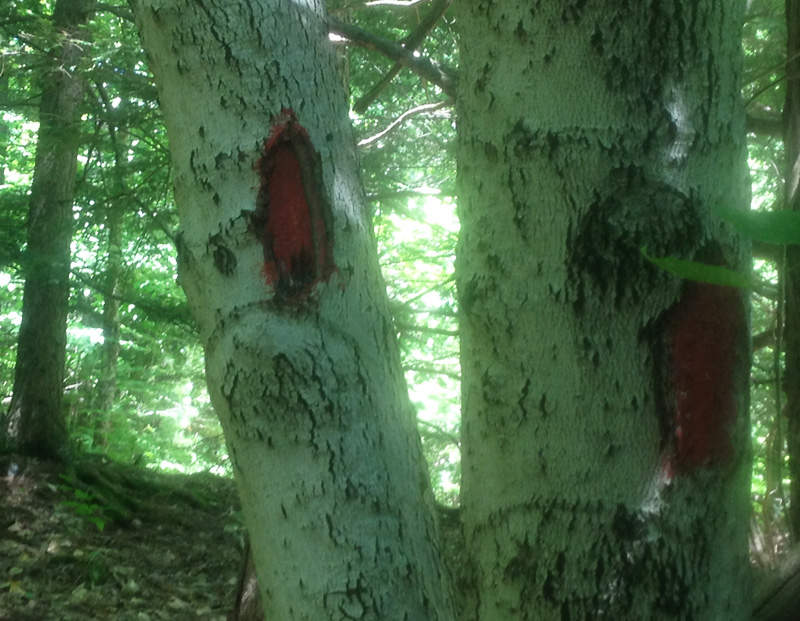
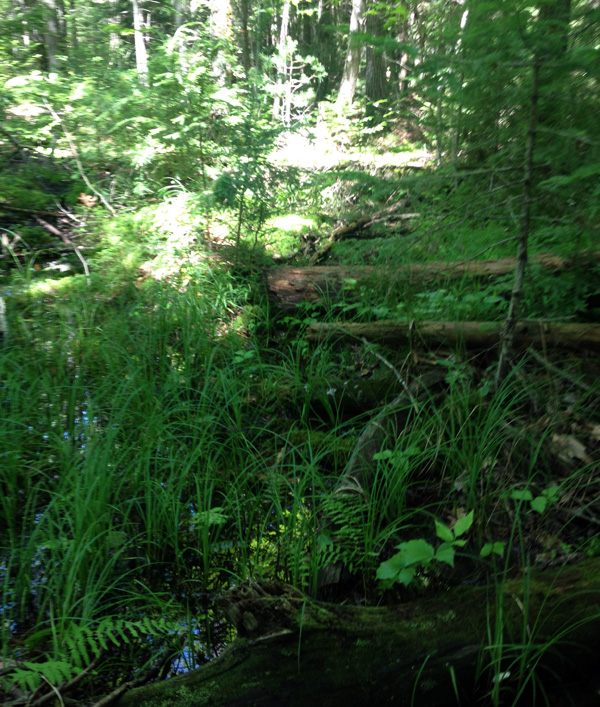
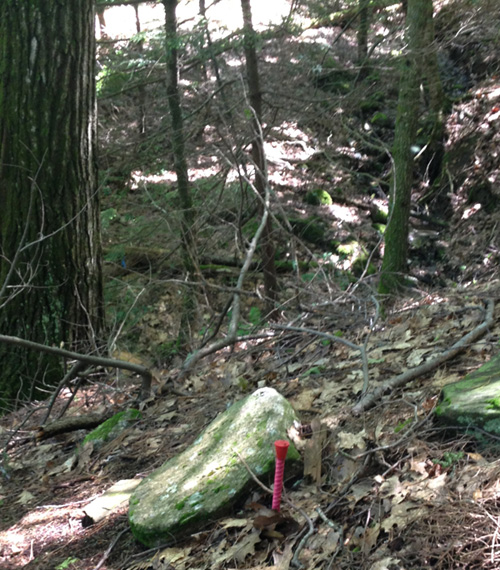
The rolling field dipped into wet lowlands, and by the time I reached the far woods, my feet were soaked. This theme continued as I entered a thick, damp forest, lined with meandering creeks and a boggy forest floor.  WetWoodsThrough much of the woods, there was no path, so I scanned  for red blazes and tape, running from one to another as the terrain allowed. As I relaxed into a routine, the aesthetic variety of the blazes began to pull me along: single and multiple strokes of red, tucked into grooves or skimmed over the bark’s surface. I began to imagine drawing patches of red on paper and pondered how I might say something in my drawings about the experience of finding one’s path and marking territory. 

Blaze3

WoodsBlaze2

After a few miles in the woods, I veered down a path that led me to a residential district.

Road?!

Sure I had misjudged, I ran toward the sound of traffic, hoping to find my way, and emerged on Rt. 22. It was a scorchingly hot day, and I ran, wet with sweat and mud, alongside the hot pavement, stopping to sip water when I could find shade. When I passed Broadturn Road, I began to look for the northern edge of the farm property. Another farmhouse came into view, and I turned into a field and began, once again, to hunt for red blazes. With some effort, I spotted red tape and began running the forest edge, alongside an orchard.

Orchard

At the northeast corner, I cut into the dense woods. At that point, the blazes seemed to disappear.

Brook

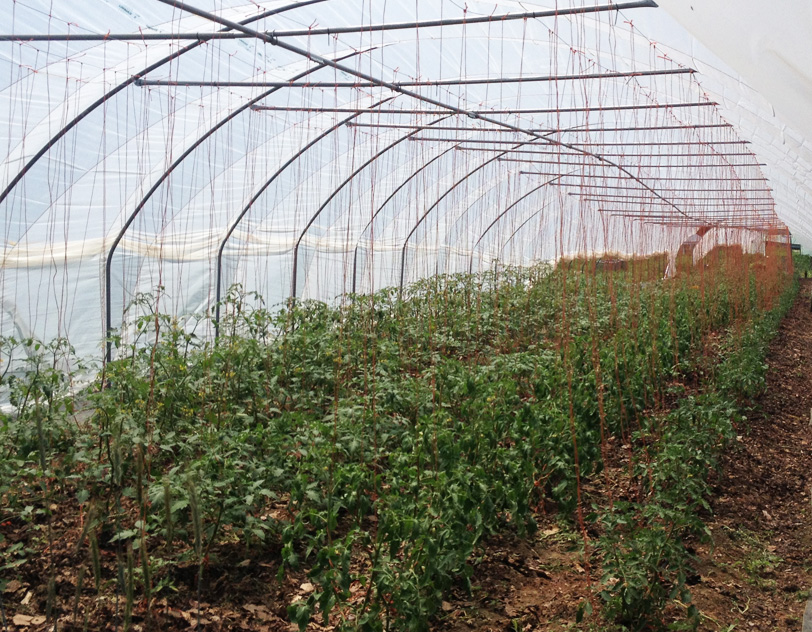
Not sure of my direction, I crossed a brook, and after winding my way up a hill, emerged behind the plowed fields next to 2 beehives. I ran along the fields toward the long, white greenhouses and discovered that they were filled with tomato plants, each plant stretched tall with red string.

Greenhouse_RedString

Back at the farm stand, I found John and Stacy’s daughter, Flora, playing with a young chick. Though she claimed to be making a leash for it, the chick wandered calmly at her feet without the need of one.

Baby Chick

Flora pointed me in the direction of a nearby cabin where Stacy, John, and their crew were quietly eating lunch. I thanked them for the adventure, purchased some beets, snap peas, and baby bok choy, and walked back to where my car was baking in the sun. I drove away pondering how I would transform red blazes into marks on paper…

Posted in Art, Running, Uncategorized | Tagged , , , | 5 Comments

Bedrock Real

Tide Mill Organic Farm, Photo Rick Chalmers

Tide Mill Organic Farm, Photo Rick Chalmers

At 1600 acres, Tide Mill is the largest farm out of the 12 on my list. Located in Edmunds, Maine, it’s also the most remote. As with every farm I’ve visited so far, their income (from organic chicken, pork, beef, dairy, and vegetables) is supplemented with sustainable logging. Fields take up 50 of the Bell’s 1600 acres and much of the rest is forested. According to a Tide Mill brochure, “In 1765, a member of the Passamaquoddy tribe guided Robert Bell, an immigrant from Scotland, to the site on Cobscook Bay where he built a tide-powered grist mill.” Aaron Bell and Carly DelSignore’s 3 children represent the 9th generation on that land. Given the huge scale of the farm, I had anticipated lots of gleaming metal and industrial-feeling production. Instead, I discovered a functional, hard-working beauty—the farm barely holding the forest and ocean at bay.

Tide Mill Farm, Photo Rick Chalmers

Tide Mill Farm, Photo Rick Chalmers

The place feels bedrock real–evidence of a life being lived. Hard work is everywhere.

On our arrival in the early afternoon, Aaron and Carly were in the fields, but Rick and I found Kim, the bookkeeper, in an office set in the main room of the converted farmhouse.

Tide Mill Farmhouse

Tide Mill Farmhouse

Kim hadn’t heard of my running project, and I was temporarily confused by the “Welcome Runners” sign on the table. As it turns out, check-in for the first annual International Marathon  was happening at the farm on the same day. Kim told us a bit about her return to Maine from the Midwest–how she loves Washington County, in spite of it being “the forgotten part of Maine.” On the drive to the farm, we’d passed plenty of bedraggled shacks and abandoned country stores. The county has a reputation for housing meth labs and dealing with rampant drug addiction, though some say that things are beginning to turn around.

Aaron had planned to meet me at 1:00 so we could look at a map of my planned run. Since he was caught up in the fields, I decided to head out before the afternoon slipped away. In an earlier phone conversation, Aaron had said that if I took on the forest, it would turn into a camping trip; I decided to stick to the coastal borders and Route 1—even that would take several hours. I figured I would start with the 6 miles of shoreline, cut up through the woods to Route 1, and then arc back around the fields to the farmhouse.

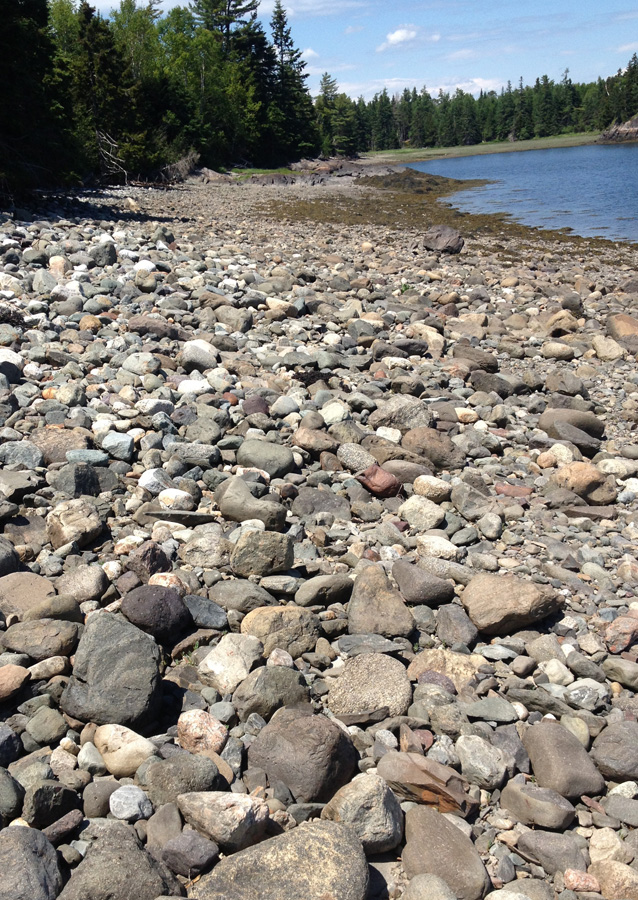
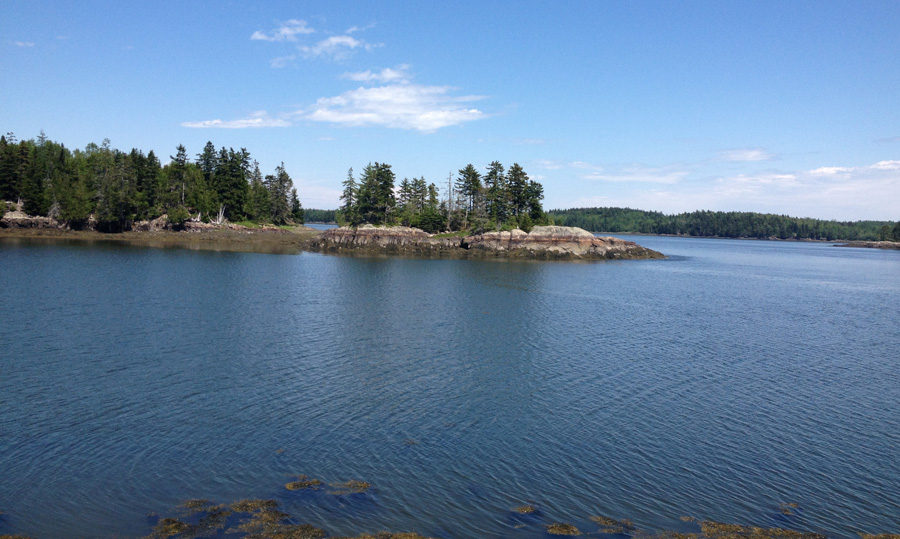
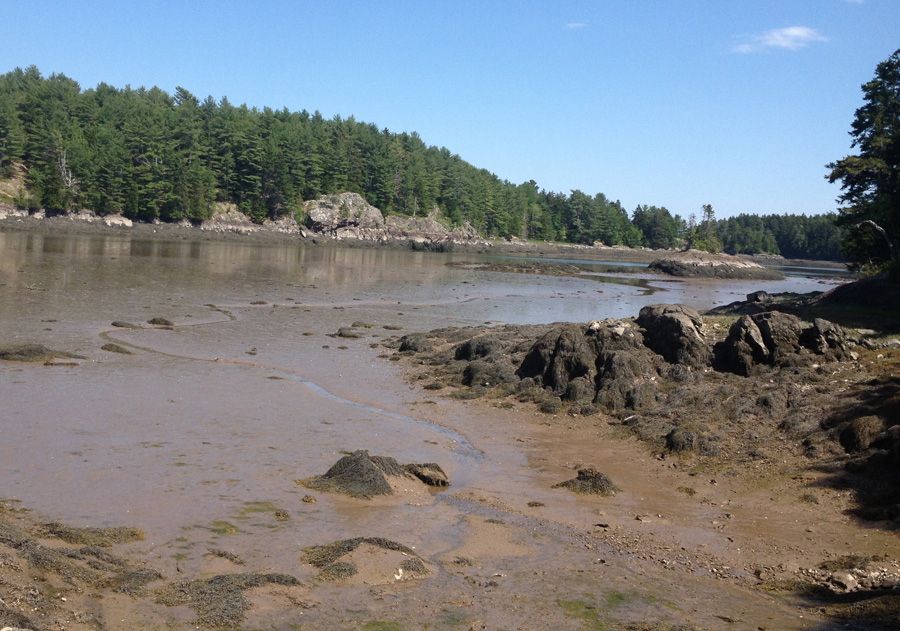
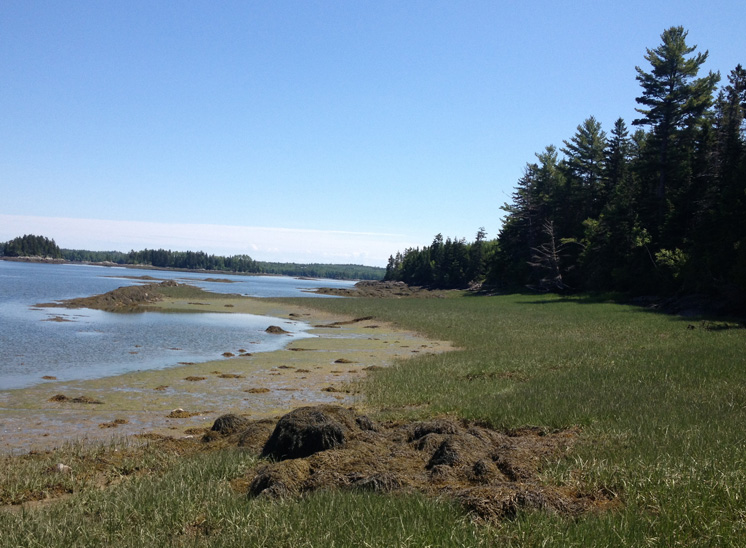
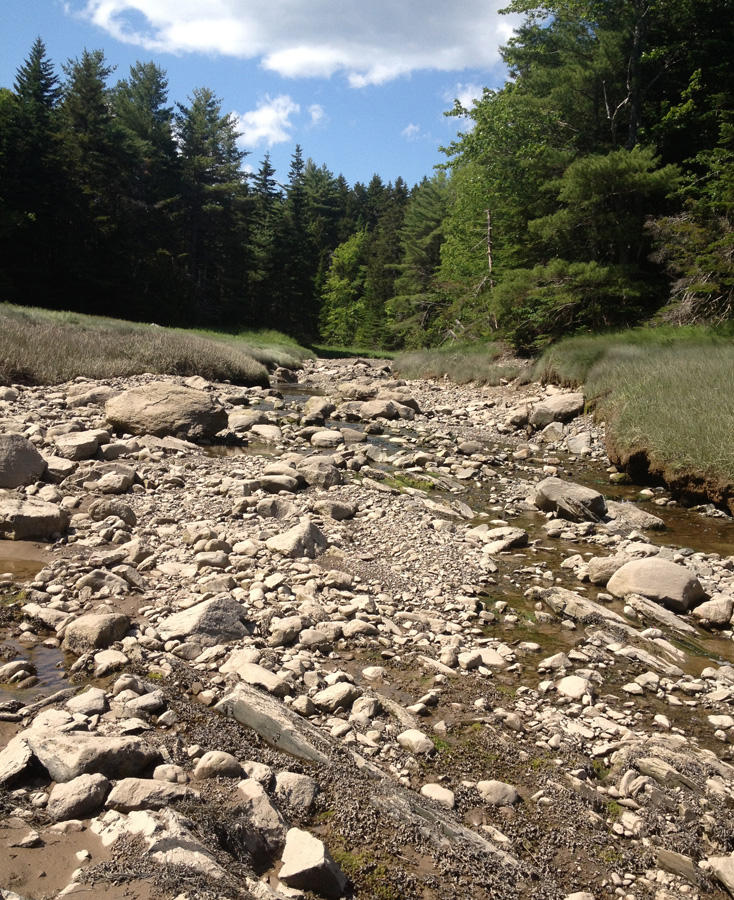
The Maine coastline does not provide a great running surface, and I spent the afternoon navigating through water, over seaweed-cloaked rocks, into mud and sand, and through calf-whipping sea grass. Other than startling a raccoon who was crab-fishing on the shore, I was completely alone.

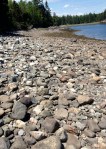
Tide Mill 4

Tide Mill 5Tide Mill 6Tide Mill 7Tide Mill 8

Tide Mill 9Tide Mill 10

Tide Mill 11

After 3 miles, and 1.5 hours, I realized that the clear path from the water to Rt. 1, which was evident on my Google map, was completely invisible from the shoreline. After another 30 minutes of searching , I realized I would have to turn around in order to make it back for the scheduled meet-up time with Rick.

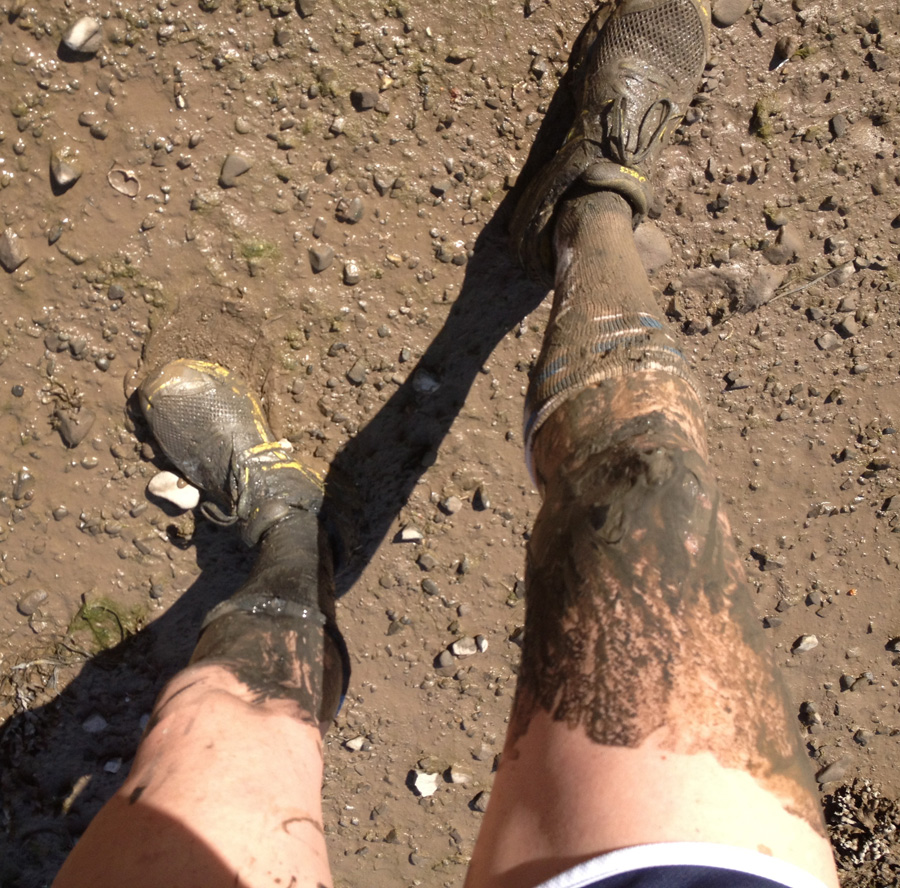
Each farm run has had me bubbling with excitement, but there’s also been an undercurrent of fear. At Tide Mill I noticed the disparity between my anticipatory and experiential fears. Anticipated fears: making a fool of myself, twisting an ankle, getting lost, picking up tick borne diseases, and meeting creeps in the woods. During this run, when I’d begun to retrace my steps back to the farm, I had an unexpected mishap. I fell into a sinkhole, instantly sinking into muddy sand up to my thighs.

Tide Mill 12I pulled myself out and started running without much more thought, but that night over dinner, Rick’s friend Newell, a member of the Passamaquoddy tribe, said, “those are honey holes and they can kill you!” So, ticks and looking like a fool? Not so much. Bath salts addicted hermits and honey holes, absolutely!

After each run, when I return to my Brunswick studio, I upload and print a map of my route using my gps enabled Garmin Forerunner 10. The printed shape of each run, along with my notes from the experience, is the starting place for a first drawing. At one point during the Tide Mill run, when it looked like I would have to retrace my steps back to the farm, I thought, “Shit, this run is going to be a terrible shape!” The desire for a better-shaped drawing, along with my tired legs and the fading afternoon, inspired some bushwhacking. I began to hover close to the edge of the woods, looking for thinning trees in the distance. The woods on the farm were so dense that it was often hard to move a foot in any direction, but after a few faulty attempts, I ventured west toward what appeared to be a distant clearing. I was about to turn back toward the shore, when I reached an area of clearcut land and spotted a horse in the distance! Tide Mill 13

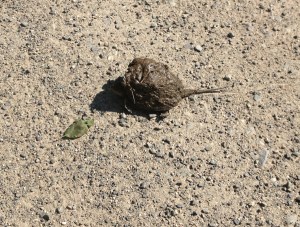
I hugged the tree line around the property until I spotted a house, a driveway, and then the road. I realized it was the back entrance to the farm! As I began to run, relieved to be on a solid surface, I almost stepped on an odd pile of mud.
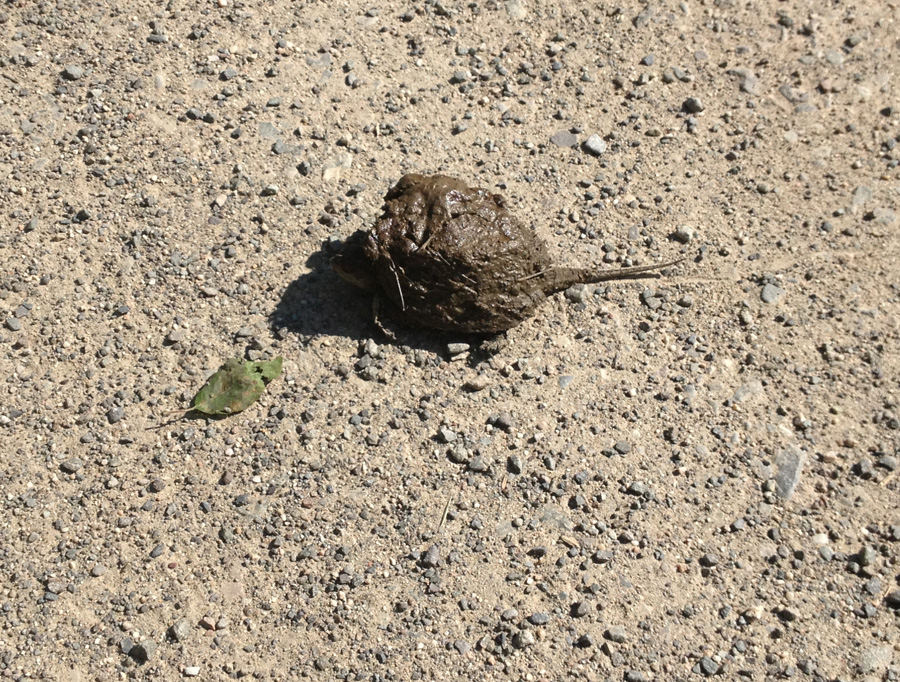
Tide Mill 14

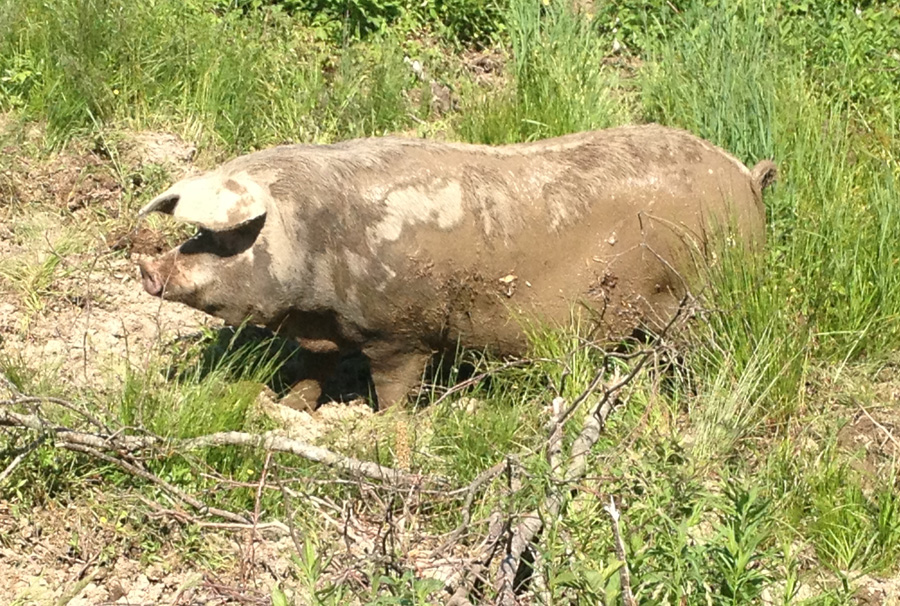
A poke with my toe revealed a tail and then the head of a baby snapping turtle. I got a stick, shuffled it to the bushes, and took off in the direction of the farm. I picked up the pace, eager to get back. Suddenly, I heard a crashing and snorting to my left. I’d startled three hearty, happy pigs rooting around in an expansive field. The farm came into view!

Tide Mill 15

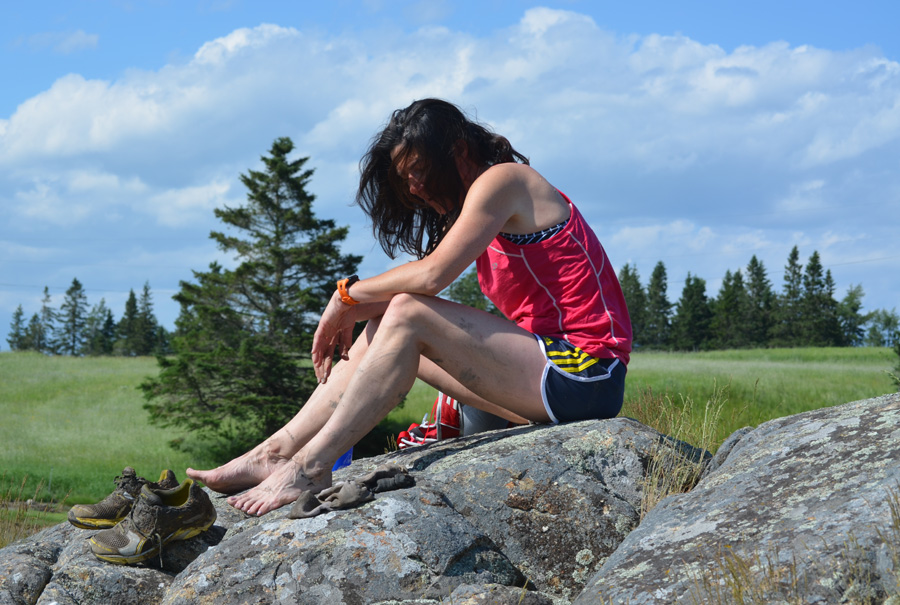
I found Rick sitting on the rocks shooting photos of sea grass. I collapsed on the rocky promontory near the farmhouse, peeled the muddy, stinking socks from my blistered feet, and took in the view. I’d only covered a small percentage of the farm property, but I was done.
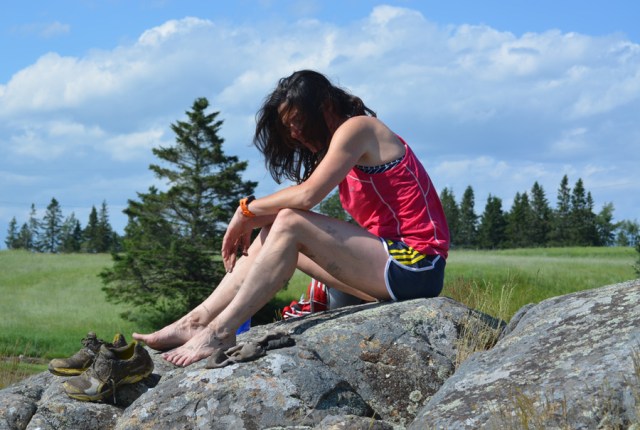
Tide Mill Farm, Photo Rick Chalmers

Tide Mill Farm, Photo Rick Chalmers

I had yet to meet Aaron or Carly, and as we were driving out, a mini van overflowing with Carly, the kids, and a big friendly dog was pulling in. We hovered in the driveway for a quick visit, and made a plan to pick up some of the farm’s delicious organic chicken and steak on our way back down the coast. Carly shared a bit about moving from Maryland to marry into the Bell legacy. With a huge full-time farming operation and home schooling their 3 kids, she’s clearly got her hands full. As we chatted, the dog was climbing out the driver’s side window to greet us and a son was scrambling out of the van’s sunroof. I quickly thanked Carly for hosting my project, and she gathered kids and pets back in and headed for the farmhouse. Filled up with the stories of the day, Rick and I took off for Pembroke to enjoy celebratory lobster dinner.

Lobster Dinner, Photo Rick Chalmers

Lobster Dinner, Photo Rick Chalmers

Posted in Art, Farmland, Running | Tagged , , , , , , , , | 3 Comments

Land, Water, and Air

Steve

Steve Sinisi at the Old Crow Ranch

Kitty

The Welcoming Kitty

Ready to Run

Ready to Run


When I arrived at the Old Crow Ranch in Durham, I was welcomed by the farm kitty and Red, the cattle dog, who barked from the house. Steve was out on the tractor, cutting hay. When I called Steve to make a plan for the farm run, he said he’d be out haying, but he’d jump off the tractor, grab his sixth cup of coffee, point out the boundaries of the farm, and then he’d have to get right back to the fields. 

Every farmer I’ve called has said that my visit would depend on the weather; getting the haying done before the rain is priority one. When I arrived at the Old Crow Ranch, I learned that the forecast had shifted and that Steve would have to finish the haying in a single day. Not that he was upset about it; Steve usually works 17 hours a day, and it clearly lights him up. He raises pasture-based livestock for slaughter on a 70 acre farm that he works with his wife, Seren. Many farms lease unconnected blocks of land that are spread out across a number of properties, and that’s true for Old Crow Ranch, which has several plots in Durham. They move the livestock and crops, cycling operations each year. Steve’s job as a farmer involves lots of knocking on doors, giving neighbors the heads up that pigs, for example, are going to pasture nearby. Though rural property owners tend to like the idea and the landscape of farming, not everyone is receptive to the sounds and smells that go along with it.

Fertilizer

Fertilizer

In preparation for this project, I’d imagined big business and large-scale development encroaching on farmland. I’ve seen some examples of that, but my run around Old Crow Ranch has me pondering individual property owners. In some cases, rural property owners want the feeling of farmland without the working farm.

The Original Farmhouse

The Original Farmhouse

The original farmhouse for Old Crow Ranch was sold off before Steve took over, and his dismay was evident when he described how the owners tore down the barn to put up a boat storage shed,  “I couldn’t believe it. There went the only value that place had!” His dream is to buy the house back and turn it into a farm stand for the ranch.

The Starting Point

The Starting Point

Steve pointed out some landmarks before I took off on my run. Having gotten disoriented at the Mitchell Ledge Farm, I decided that locating property maps would be an essential step in each farm visit. When I mentioned this to Steve, he chuckled, “You won’t have a problem here; it’s basically one big square…though there is a place in the old pine woods where I still get turned around.” With the likelihood of “getting turned around” in mind, I set out to run the big square, starting at a large pine near the chickens. As I started running, I giggled out out loud, happy to be running, making art, and connecting with sights and smells reminiscent of my childhood.

WoodsFirstCorner

The Field-Woods Border

The woods got dense quickly, and since no path was evident I wove my way back and forth from field to trees. During our chat, Steve had pointed across the farm to a grove of old growth pines where I’d be able to locate the far corner of the property. He said I’d find the grove after passing two streams, the second of which would lead me to the pines and then back to the road.

The First Stream

The First Stream

The Second Stream

The Second Stream

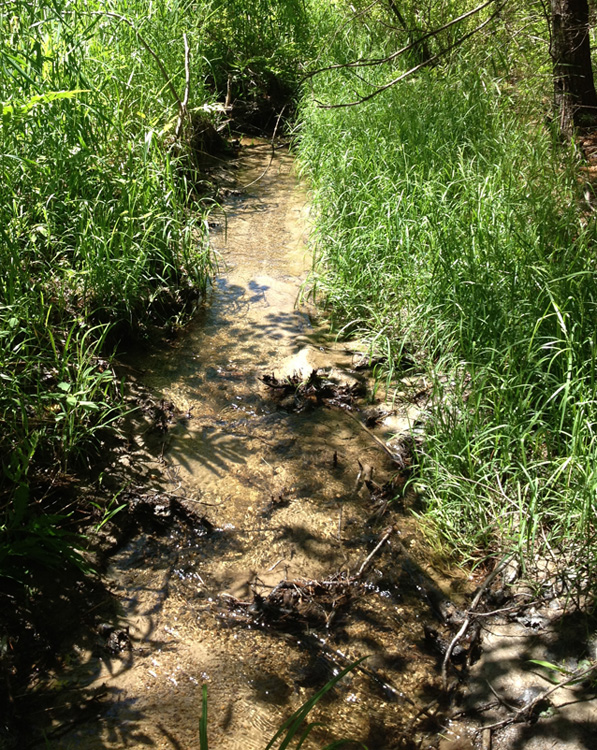
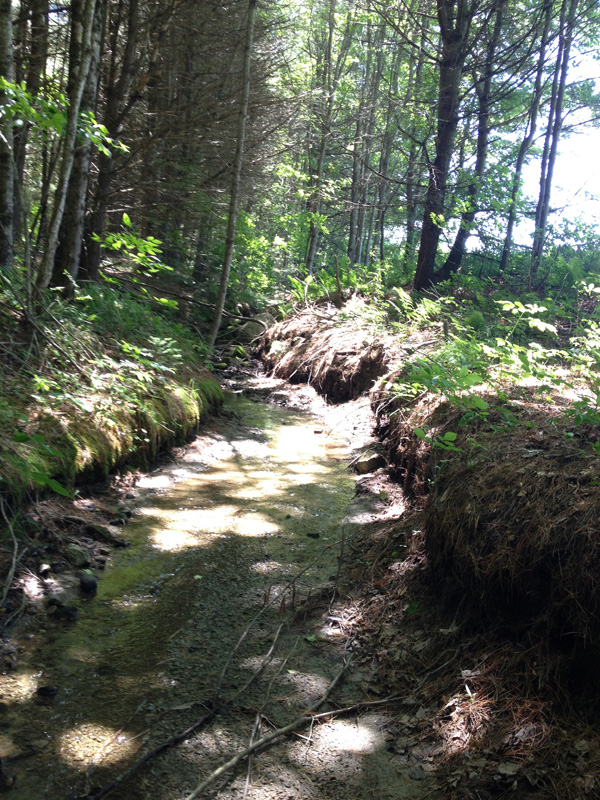
The first stream meandered through swamp land, and after mucking through it, I reached the second stream and then the pines. It was impossible to run through without poking out an eye on the low, dead branches, so I caught my breath and walked across the carpet of soft orange needles.

FurthestField

The Final Stretch

I emerged on a field near the original farmhouse and ran out to the road through wet, spongy moss. I cruised back along the road and then up the final stretch, through tall grass, to the farmhouse.

At the end of my run, I found Steve haying another field. He idled the tractor so we could chat for a few minutes. It had been a beautiful run, and I felt incredibly grateful for the opportunity to experience his land. I thanked Steve and told him that it was tough to find the right words and that I didn’t completely understand it, but the experience had been profound for me. Steve replied,

“People come visit and want to see the farmer, farmhouse, barn, and animals all in place. You’re seeing the whole thing–how we take care of it all: land, water, and air. It makes me feel great to have someone appreciate it.”

I left with a huge smile on my face, feeling that the project has meaning beyond my own joy and creative expression.

I’ve chosen a range of farms for this project, and this weekend, I head up to Tide Mill Farm–1400 acres of farmland, including 5 1/2 of oceanfront. From my initial conversation with Aaron, I’ve learned that I’ll be navigating unincorporated Maine forest and, at high tide, some rock scrambling. I can’t wait!

Posted in Art, Farmland, Running, Uncategorized | Tagged , , | 1 Comment

Good Timing

On Sunday, I completed my first farm run at Mitchell Ledge Farm in Freeport. Andy LeMaistre met me with a handful of printed maps, which I quickly realized would be essential to my navigation of the farm perimeter. A brief tour of the barn introduced me to the Registered Belted Galloways or “Belties.” Breeding these handsome cattle is the primary business of the farm.

MitchellLedge_Image2

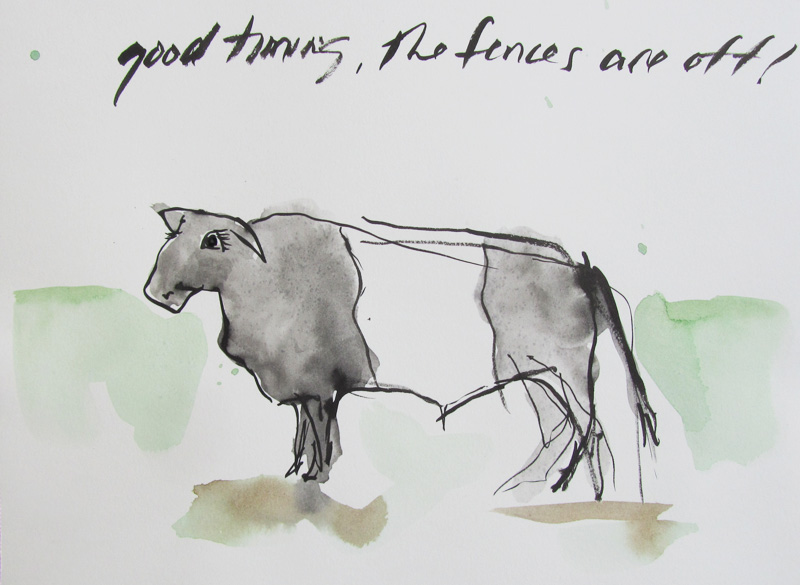
The barn smelled of hay, leather and antique tools—smells that brought back the barns and farmhouse sheds of my childhood in Northern Vermont. Barn swallows dipped above us, in and out of the open barn door. Andy pointed out the symbiotic exchange of safe nesting spot for a bug-free barn. As I prepared to head out on my adventure, I learned that due to a low number of cattle, many of the electric fences would be turned off.

MitchellLedge_Image3_GoodTiming

Filled up with the smells, sights, and sounds of the farm, I set out along the road bordering the south side of the property.

MitchellLedge_Image4

After making the first turn, I began to understand the complexities of the farm boundaries. It became difficult to distinguish between farmland, conservation land, land under development, and private property. It wasn’t clear where to cut into the woods to follow the farm’s edge, and I ended up running too far up the road. In retracing my steps, I ran into my first obstacle–one I’d anticipated but not prepared for: an aggressive dog. The canine ran out to the road road barking and growling. I jogged by ignoring it, but the dog pursued. I yelled, “Go Home!” which inspired only a brief pause in the assault. I ran across the road and climbed on to a neighbor’s porch, but the dog wouldn’t retreat. After a few minutes a car came down the road, and I scooted down the road while the car blocked the way. The dog stayed put in the road, barking and growling as I ran out of site.

I returned to the development and ran through the construction zone until I hit a path that the map indicated would lead back into the farm property.

The path quickly disappeared, so, keeping the sun on my right, I bushwhacked until I discovered what turned out to be little-used Freeport Conservation Trust pathways. These led me to the beautiful back field—my marker for the northeast corner of the farm.

MitchellLedge_Image5

MitchellLedge_Image6

MitchellLedge_Image7

MitchellLedge_Image8

I followed the fence to the west side and took in the view.

MitchellLedge_Image10

From there, I got lost. I overestimated the distance of a  stretch of land on the northwest side of the property and ran into a number of private homes that weren’t on my maps. I retreated to the woods, not wanting to trespass or incite more dog wrath. To my surprise, I realized that the deeper I was in the woods, the safer I felt. It hadn’t taken long for me to feel completely at home on the land within the boundaries of the farm. After some exploring, I ended up along a dirt road with a number of homes. I followed the roads back to the farm, then ran up the path on the west side of the property, returning to the back field so I could see where I went wrong. When I returned to the barn, I cooled down and made friends with a few of the barnyard critters. I was exhausted and elated!

MitchellLedge_Image11

My aim is to complete this project in a way that doesn’t inconvenience hard-working farmers. I hope that they take some pleasure in the dialogue, or at least have a good laugh. As I pick up the phone to make each new connection, I’m ready for a range of reactions. So far, almost all of the conversations have been positive; however, even the negative responses have found their way into the studio:

MitchellLedge_Image12

Posted in Art, Farmland, Running | Tagged , , , , , , | 18 Comments

Boundaries

Lucinda Bliss, Suspended, pencil and watercolor on paper, 40" x 26", 2012

Lucinda Bliss, Suspended, pencil and watercolor on paper, 40″ x 26″, 2012

My farm running project begins today at Mitchell Ledge Farm in Freeport. More specifically, the running piece begins; the planning has been underway for months. Since I started running a few years ago, I’ve been hoping to come up with a project that would combine my running and drawing practices. Today, I embark on a collaboration with the Maine Farmland Trust and 12 farms around the state of Maine, in which I’ll be running farm boundaries and making drawings in response to the experience.

Running connects me with nature, and navigating the boundaries of farmland will be a process of experiencing the land and noting, in a bodily way, how farming is contained and what encroaches on its borders.  Also, it will bring back memories of my childhood on my mother’s farms in northern Vermont. Running clears the mind and heightens perception. It exists in opposition to the desire for instant gratification, and it is that appetite (for instant food, information, etc.) that is in part to blame for the devaluing of farming and the natural world. Part 3 of the project will be to create drawings based on my experience of each run. The drawings will start with the literal shape of the path I’ve navigated, a graphic that will be drawn from the gps map of my run. Part 1 of the project has been dialogue-based, and communication continues to be a key aspect of the work. Gaining the trust of the farmers and the hard working staff at the Maine Farmland Trust has been a pleasure and has inspired me to create a clear, accessible structure for this project. Sometimes artistic process looks like making lists, writing proposals, and calling strangers on the phone to explain why I need to run through their fields in order to make a drawing! The icing on the cake will be the retreating to my studio to reflect on the experience and make marks on paper.
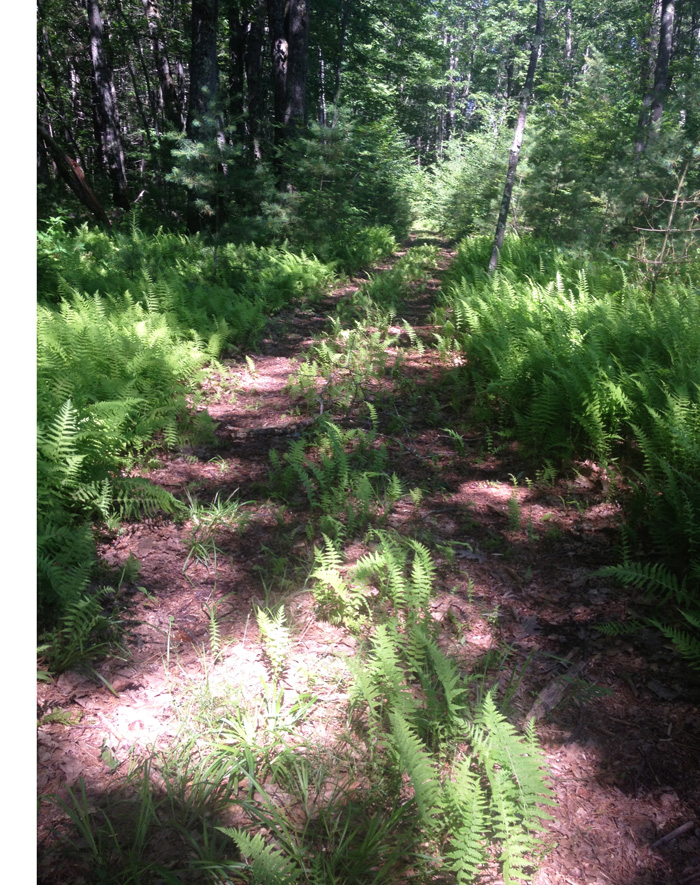
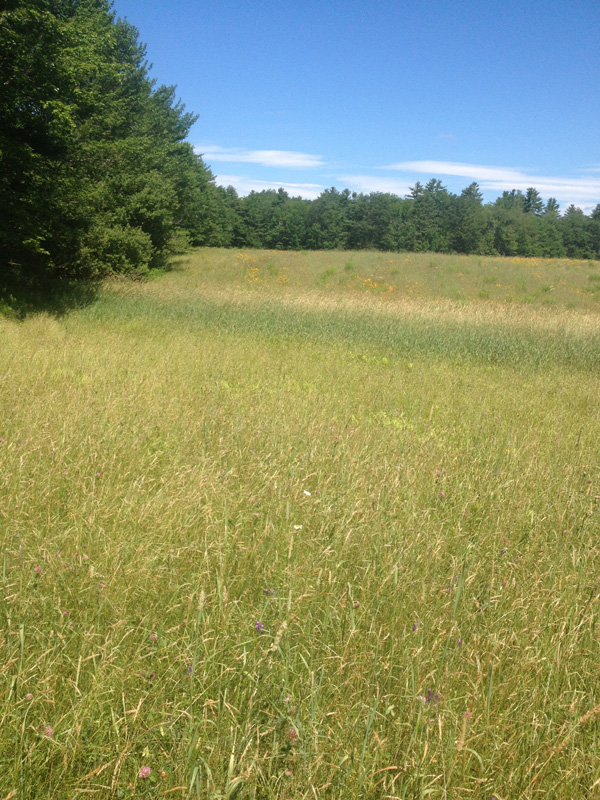
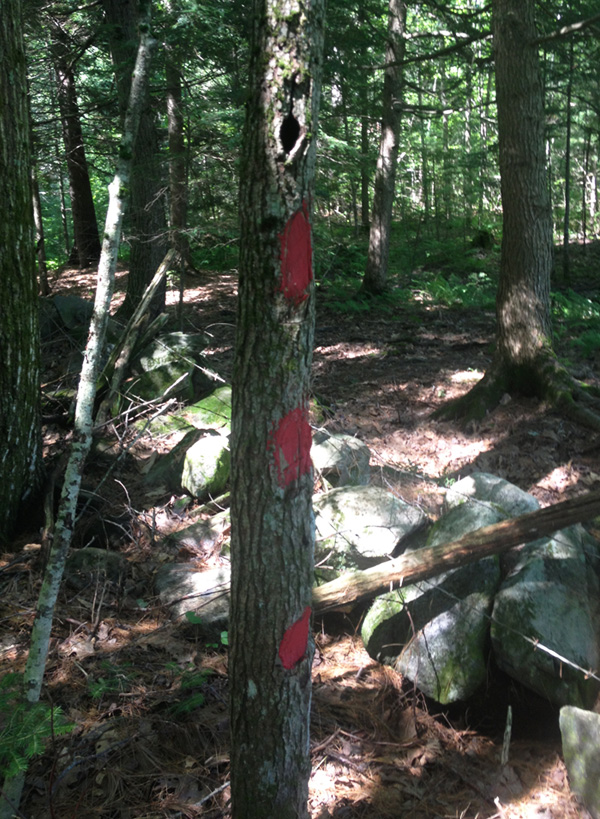
My farm runs will include the unexpected: terrain that’s tough to negotiate, a variety animals, electric fences… (I hadn’t thought of that one until I spoke with Andy at Mitchell Ledge Farm yesterday!).  I’ve just purchased a key piece of gear, which has made me more confident about the potential delays that might come up during these adventures: the Gregory Navarino 12 pack.  It fits snug against my back, can hold a large water bladder, has hip pockets, lots of little compartments and functions, and it’s red.

Posted in Art, Running | Tagged , , , , , | 3 Comments